Gerber/Hart LQBTQ+ Library and Archives Visit
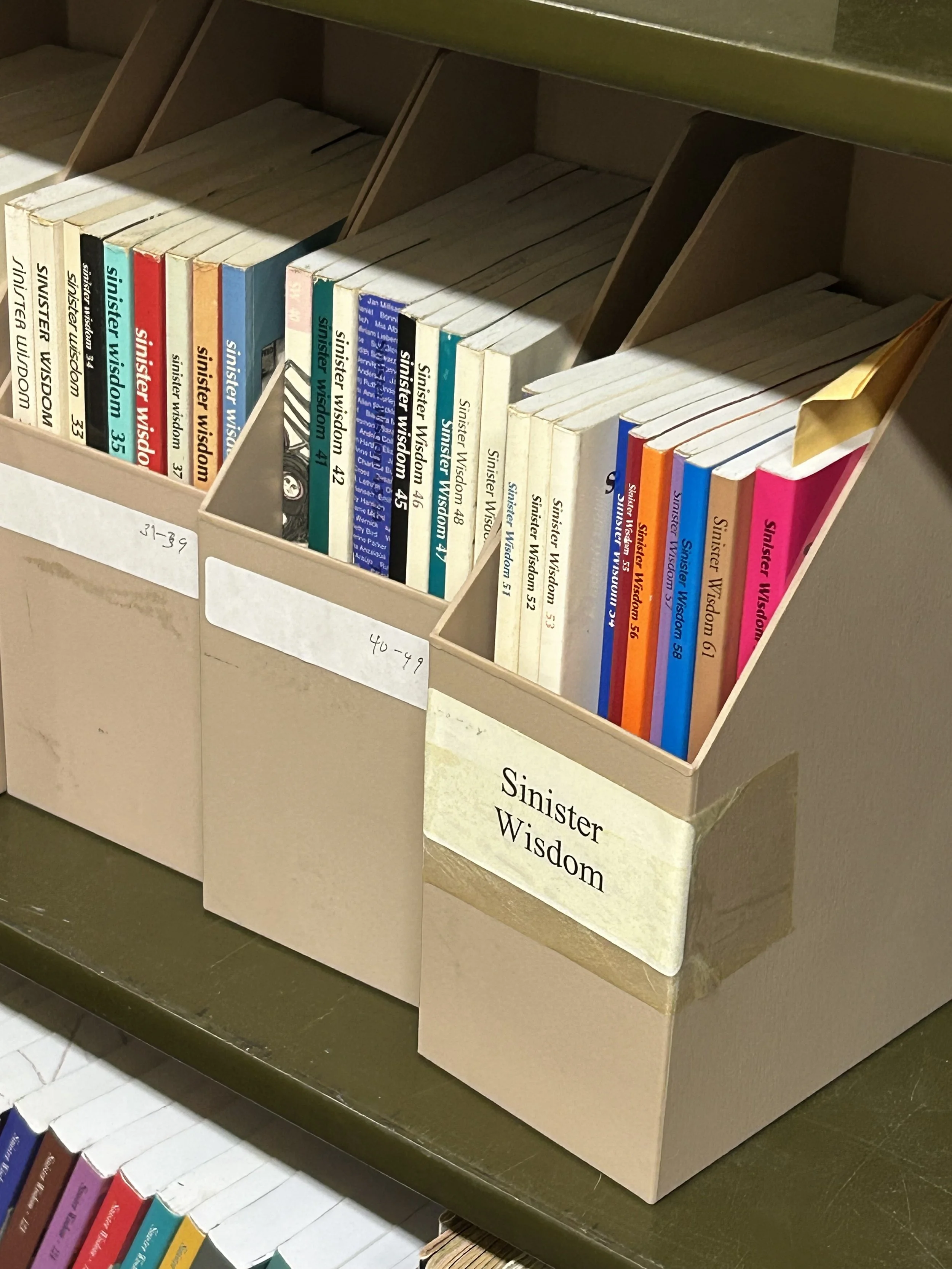
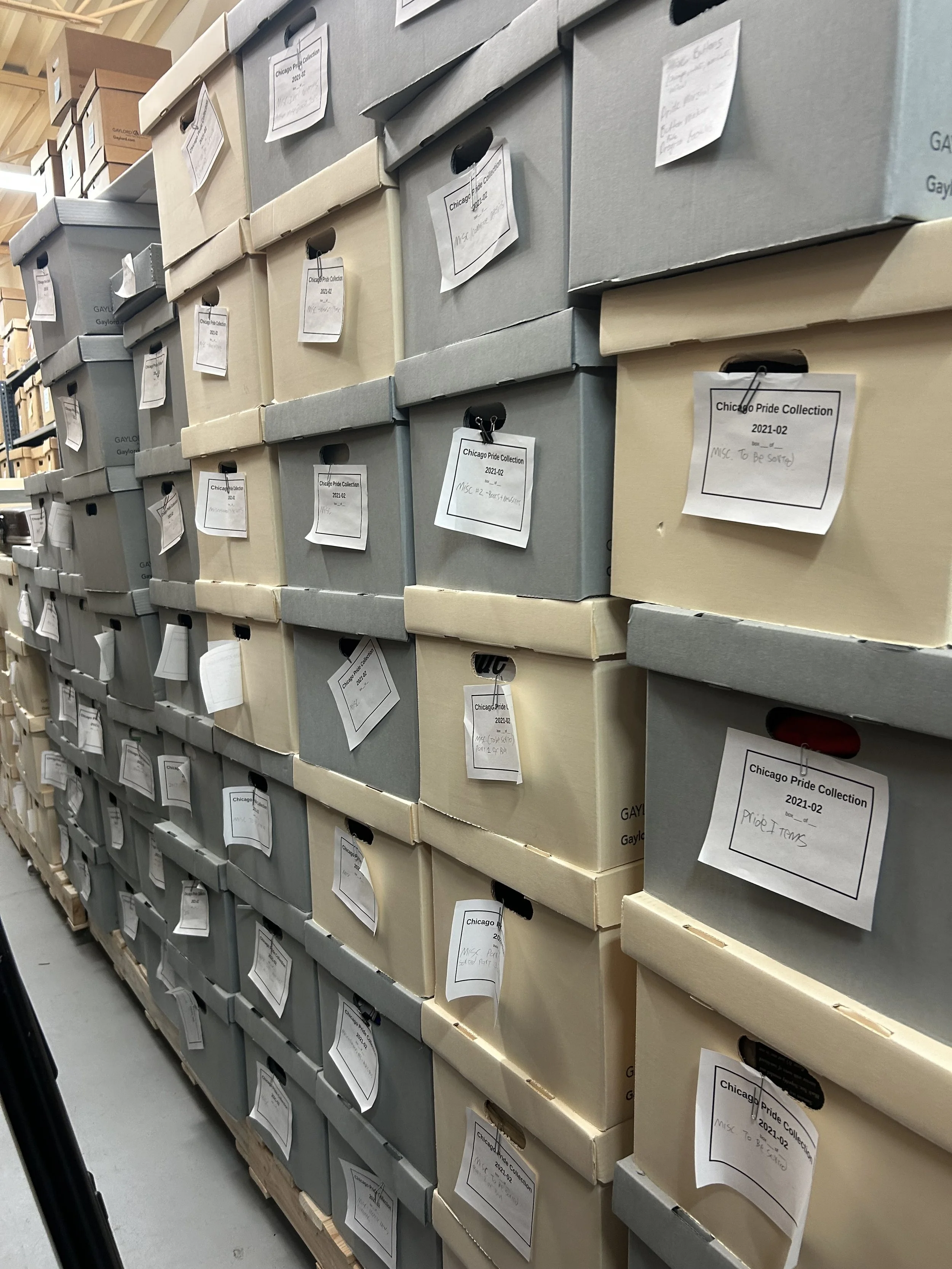
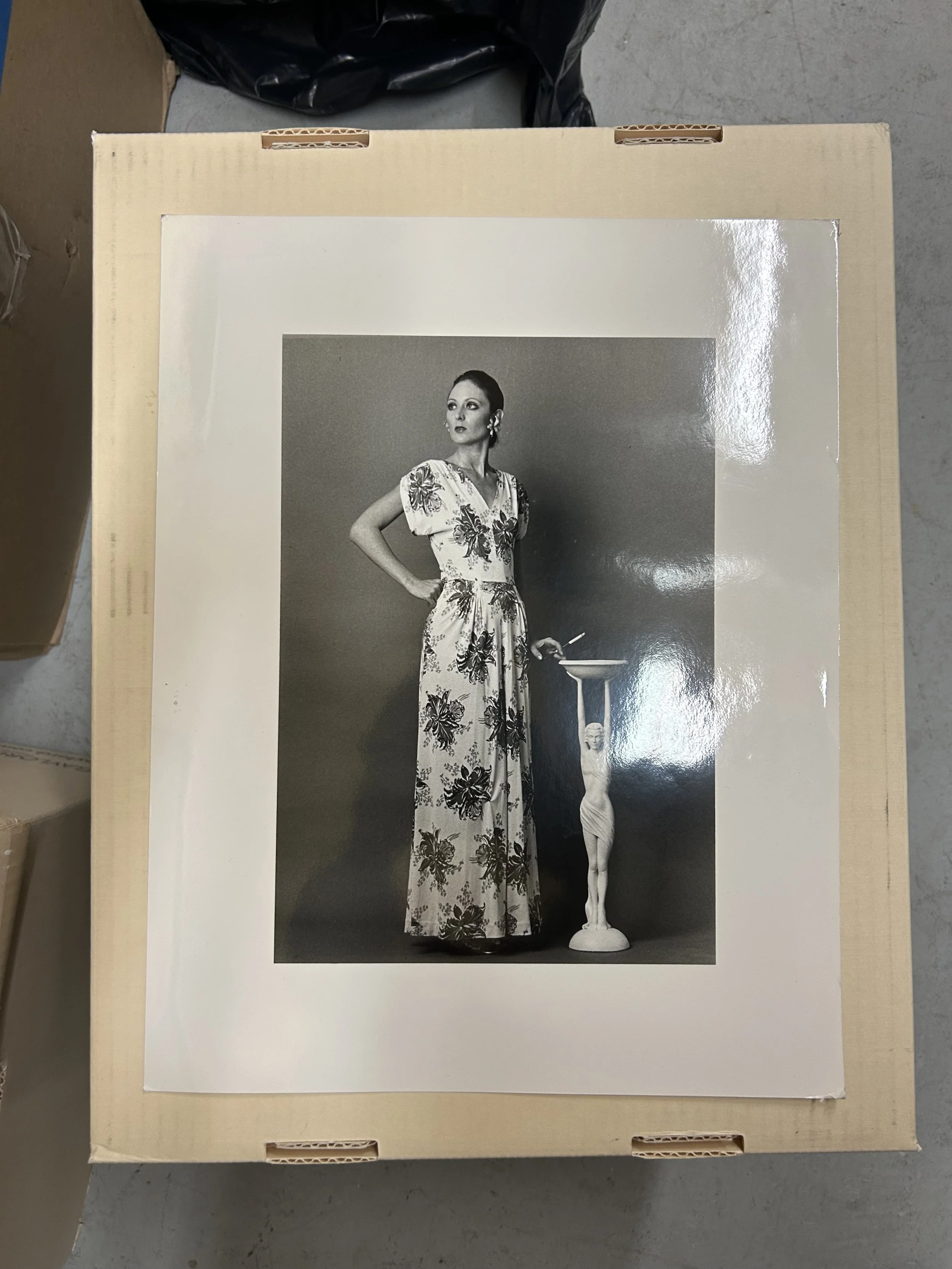
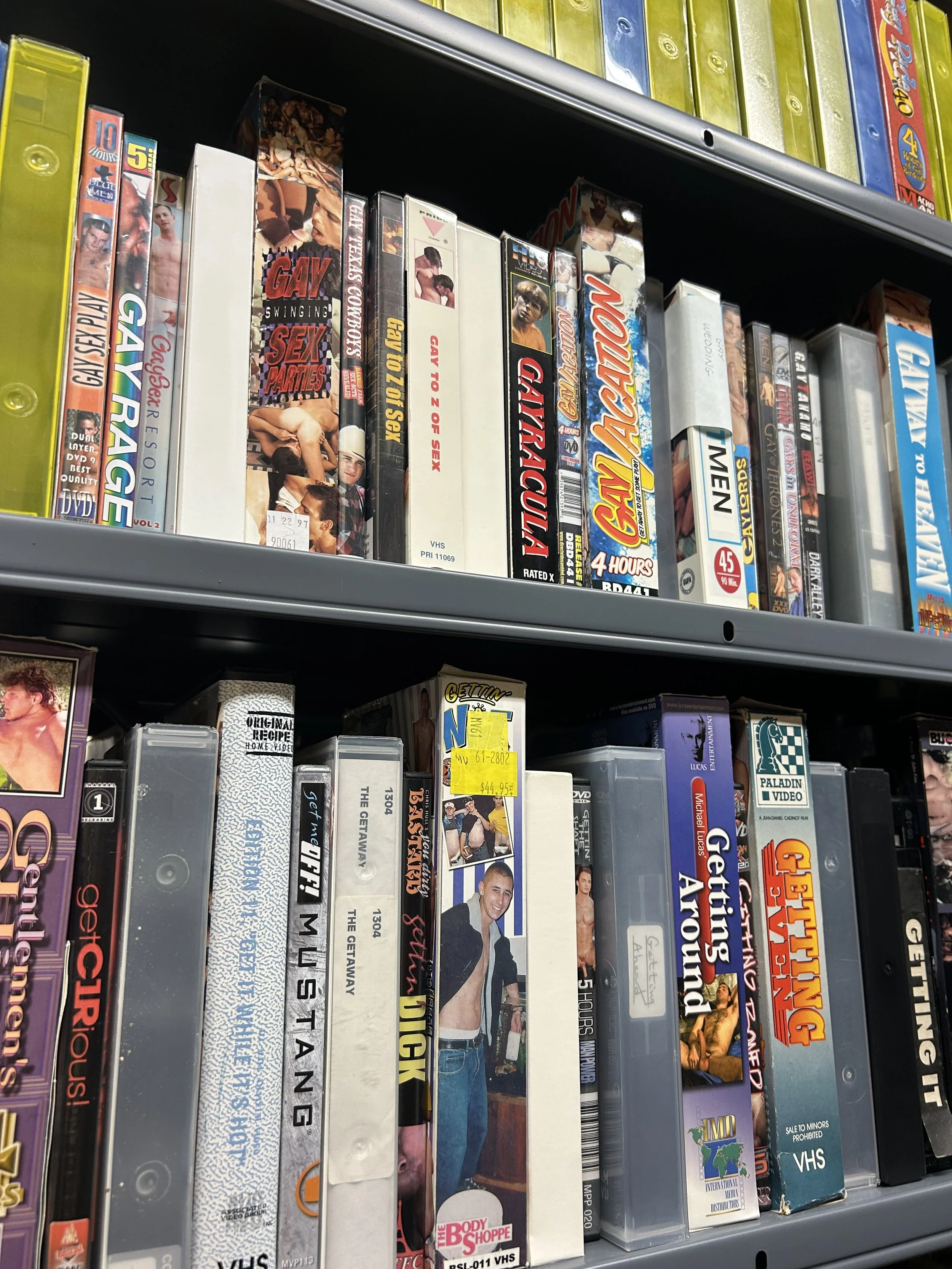
Last week, as part of a class field trip, I visited the Gerber/Hart Library and Archives in Rogers Park, Chicago. I went in with little knowledge, not knowing what to expect. I imagined a small grassroots archive, maybe a room lined with books and carefully labeled folders.
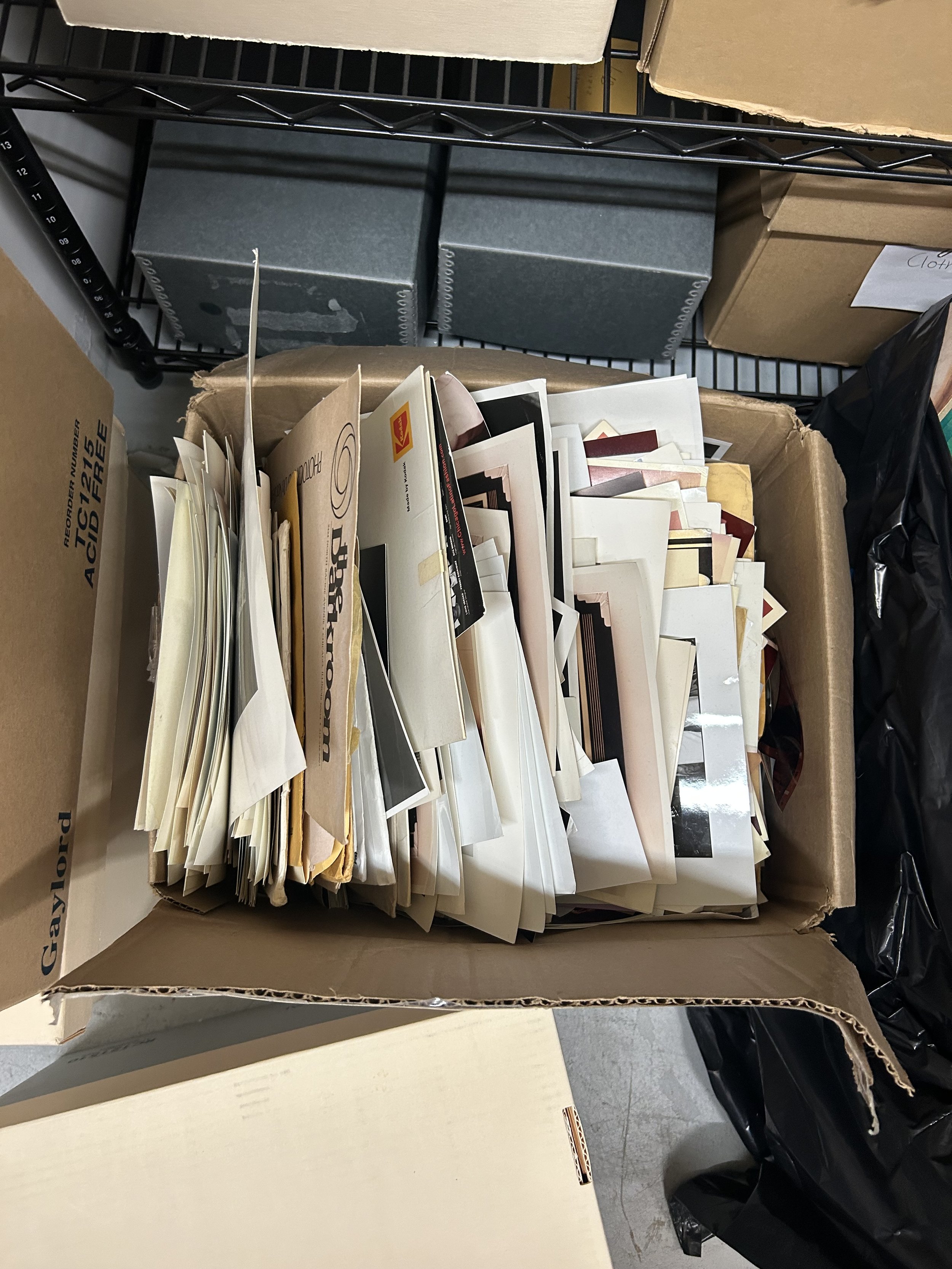
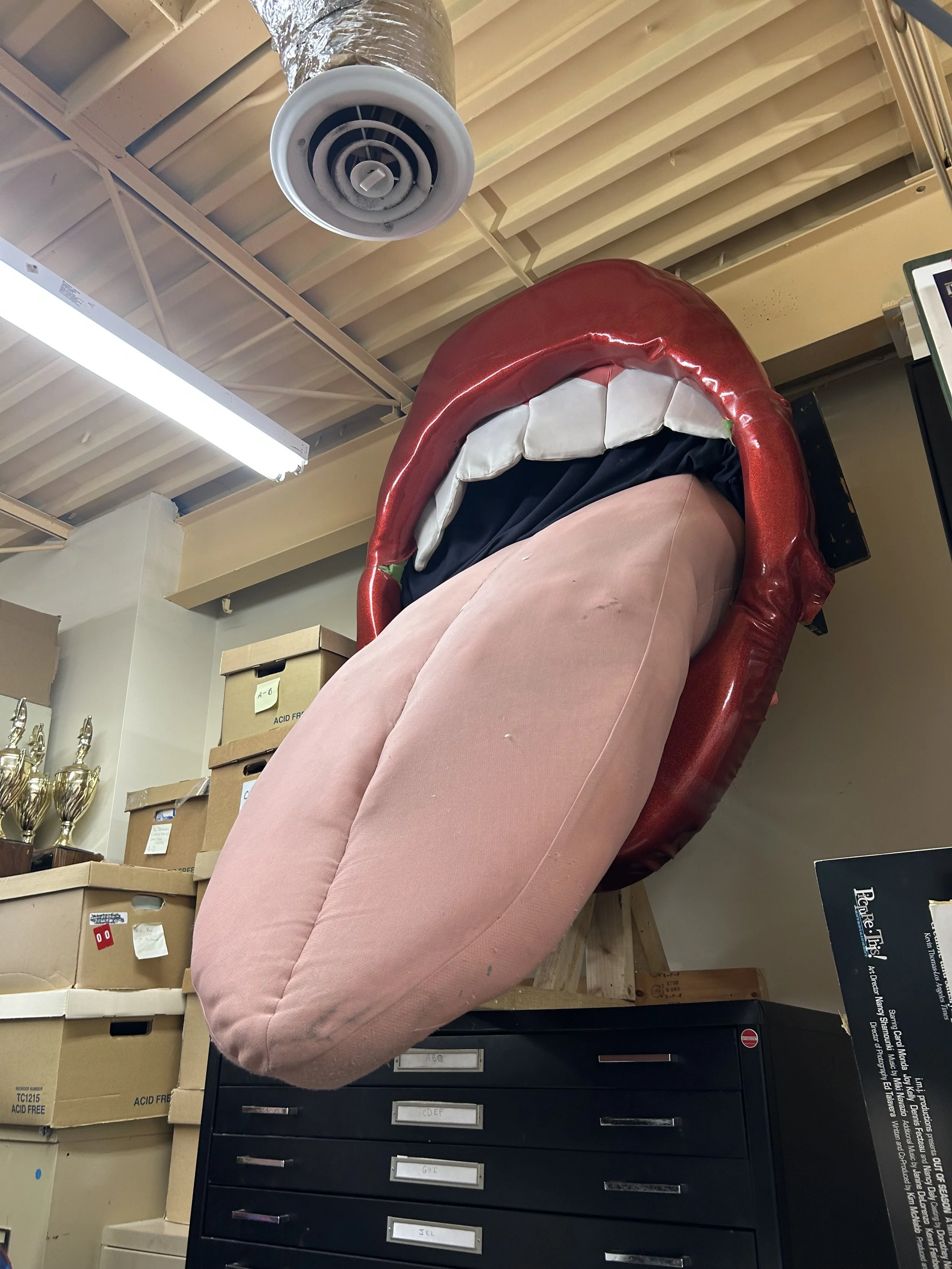
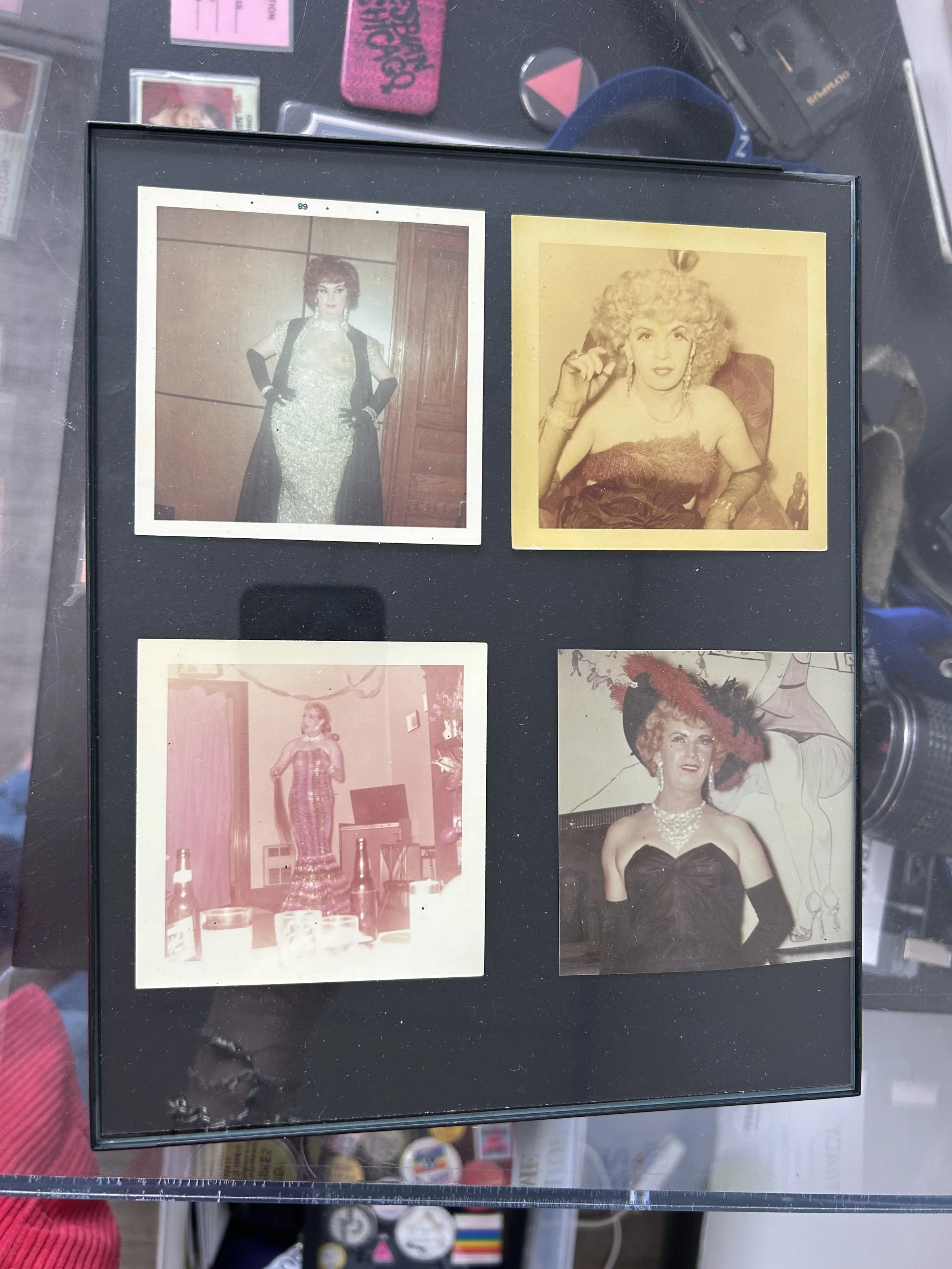
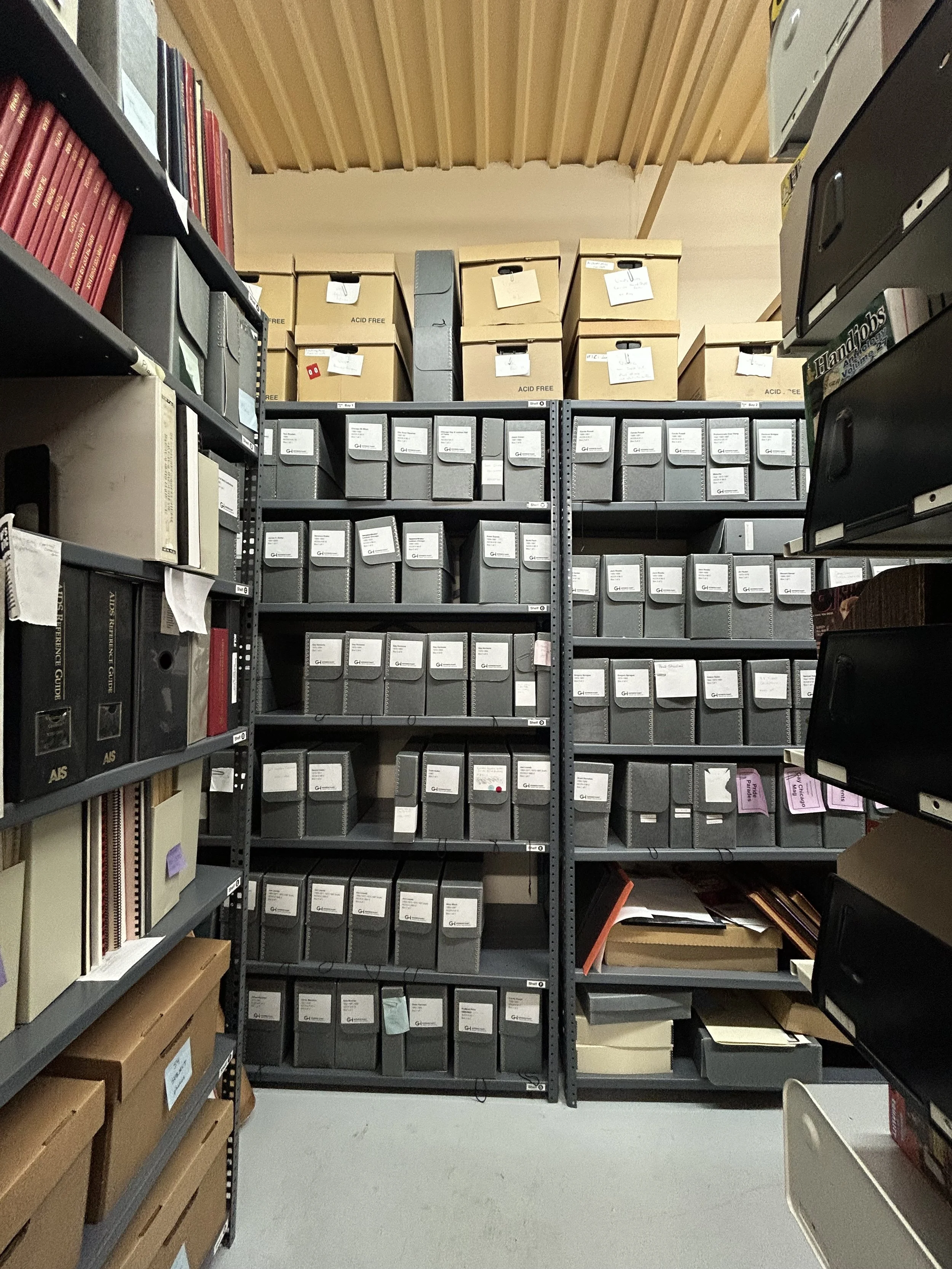
When our tour guide and librarian opened the door to the archive’s cold storage room, I was struck by the quantity of shelved materials. The temperature dropped, and in front of me stood stacks and stacks of boxes stretching across shelving units, dense with history, which, if not preserved by them, would likely have otherwise been discarded. Books, videotapes, drag costumes, folders, magazines, binders. The scale was overwhelming in a way that felt intimate. Every box represented countless individual lives that were attempted to be erased and unrepresented, compressed into one large archive.
The Gerber/Hart Library and Archives was founded in 1981 to collect, preserve, and make accessible the history and culture of LGBTQ+ communities, particularly in Chicago and the Midwest. Hearing this mission while surrounded by the physical evidence of it made the statement feel less institutional and more urgent. Many of these histories were never preserved elsewhere. Without spaces like Gerber/Hart, entire networks of community memory might simply disappear.
The archive did not shy away from certain materials in order to be more traditionally accepted; it did not separate the political from the personal, but instead, it revealed how deeply intertwined they are.
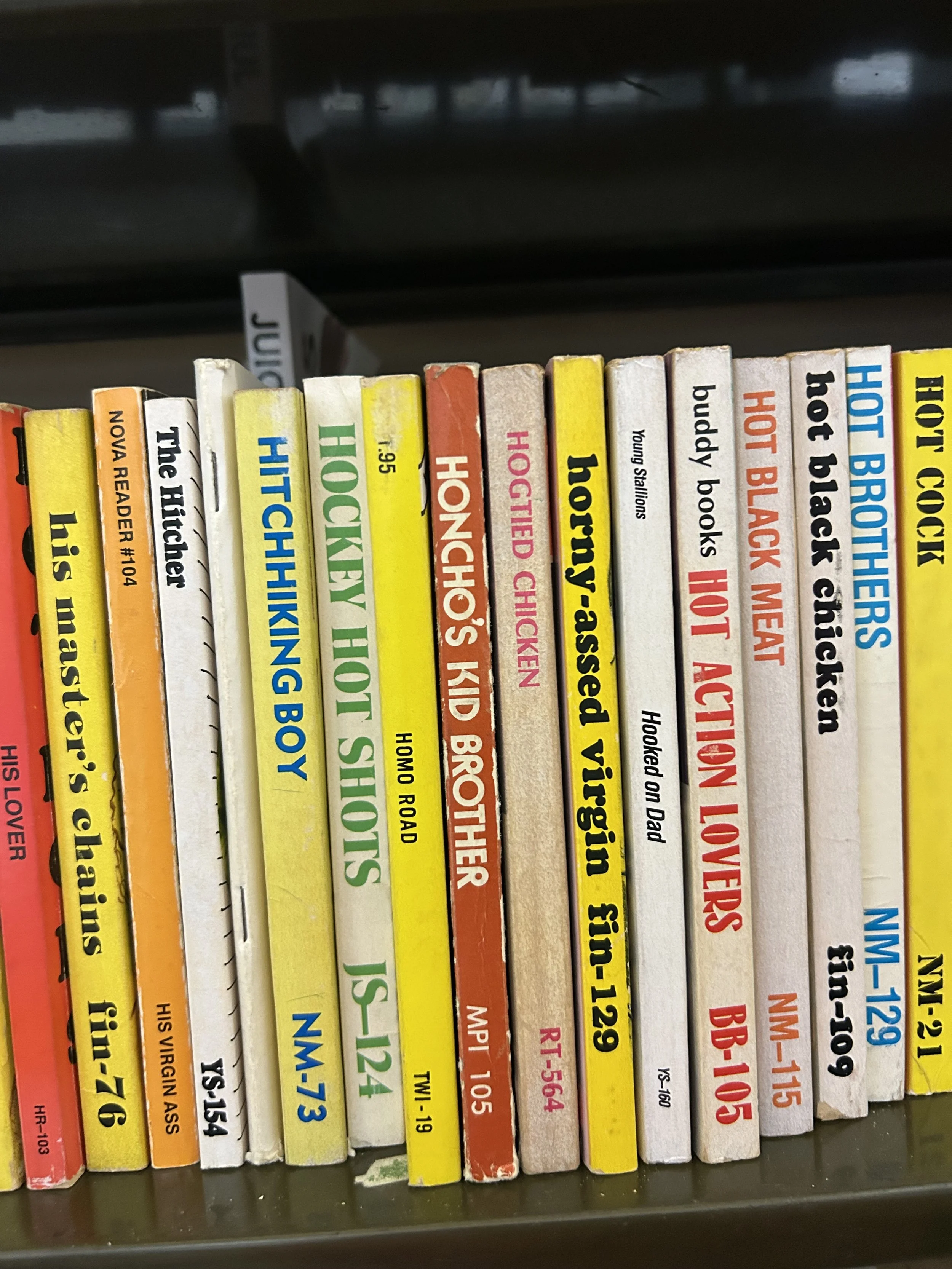
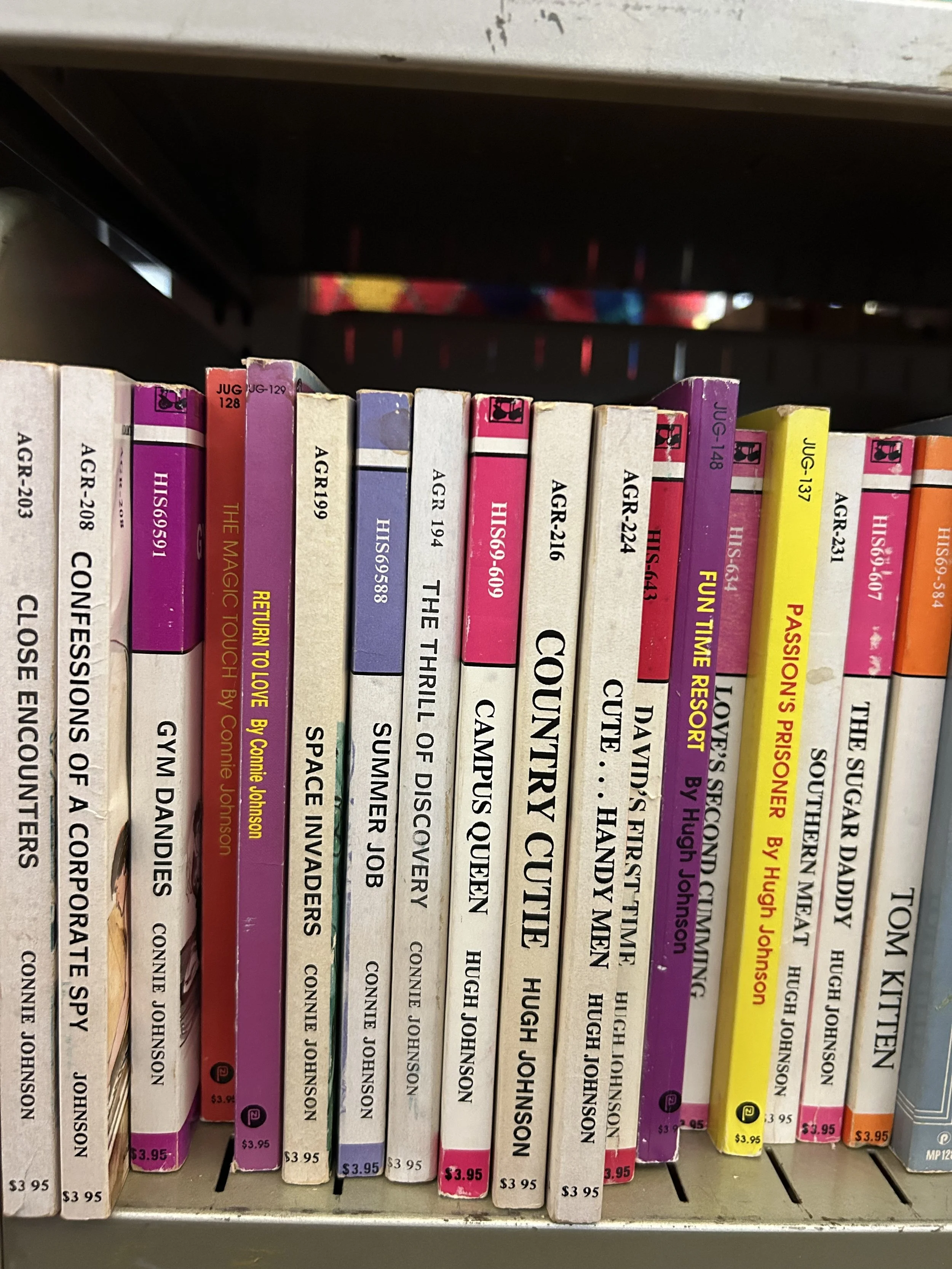
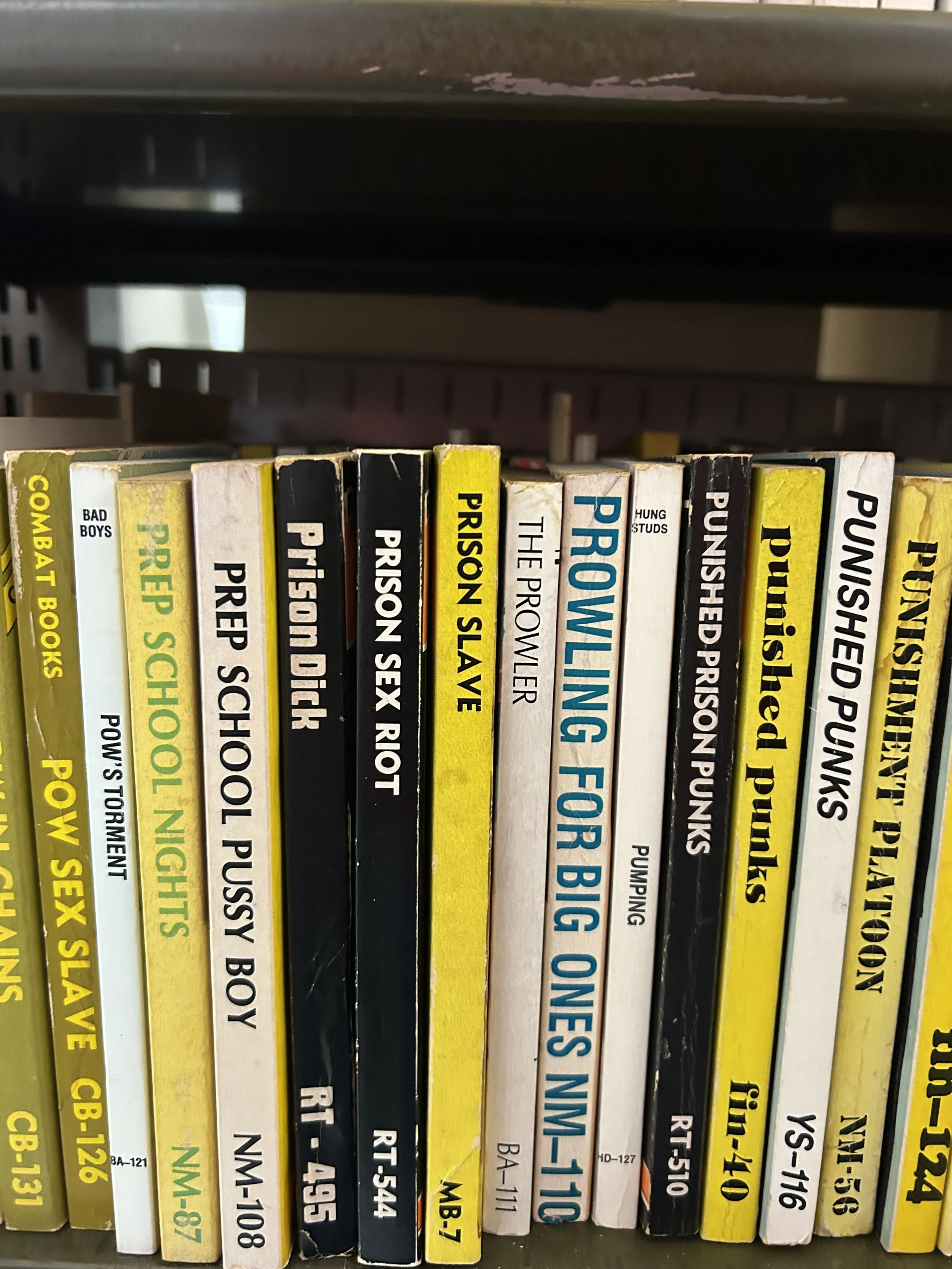
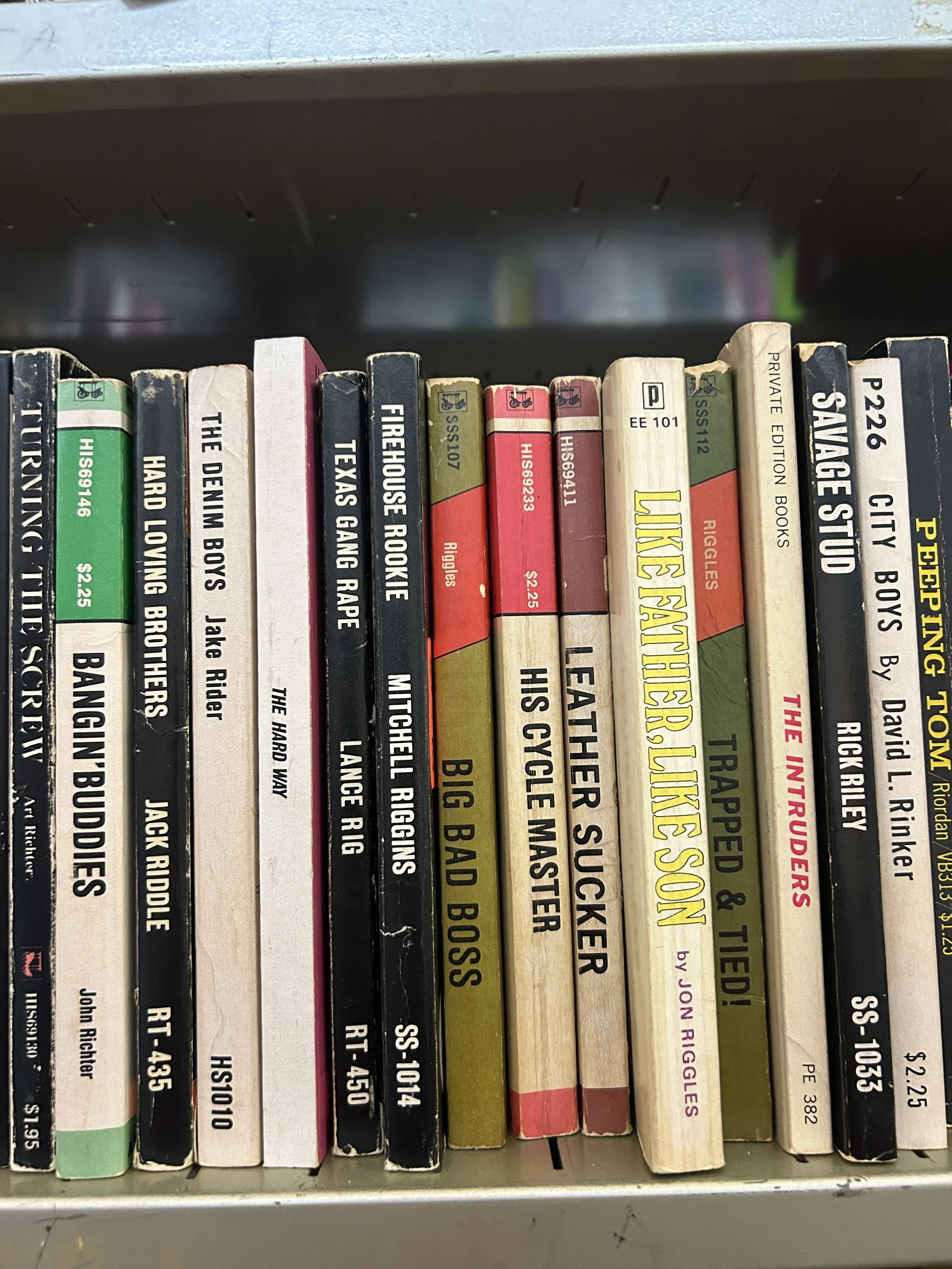
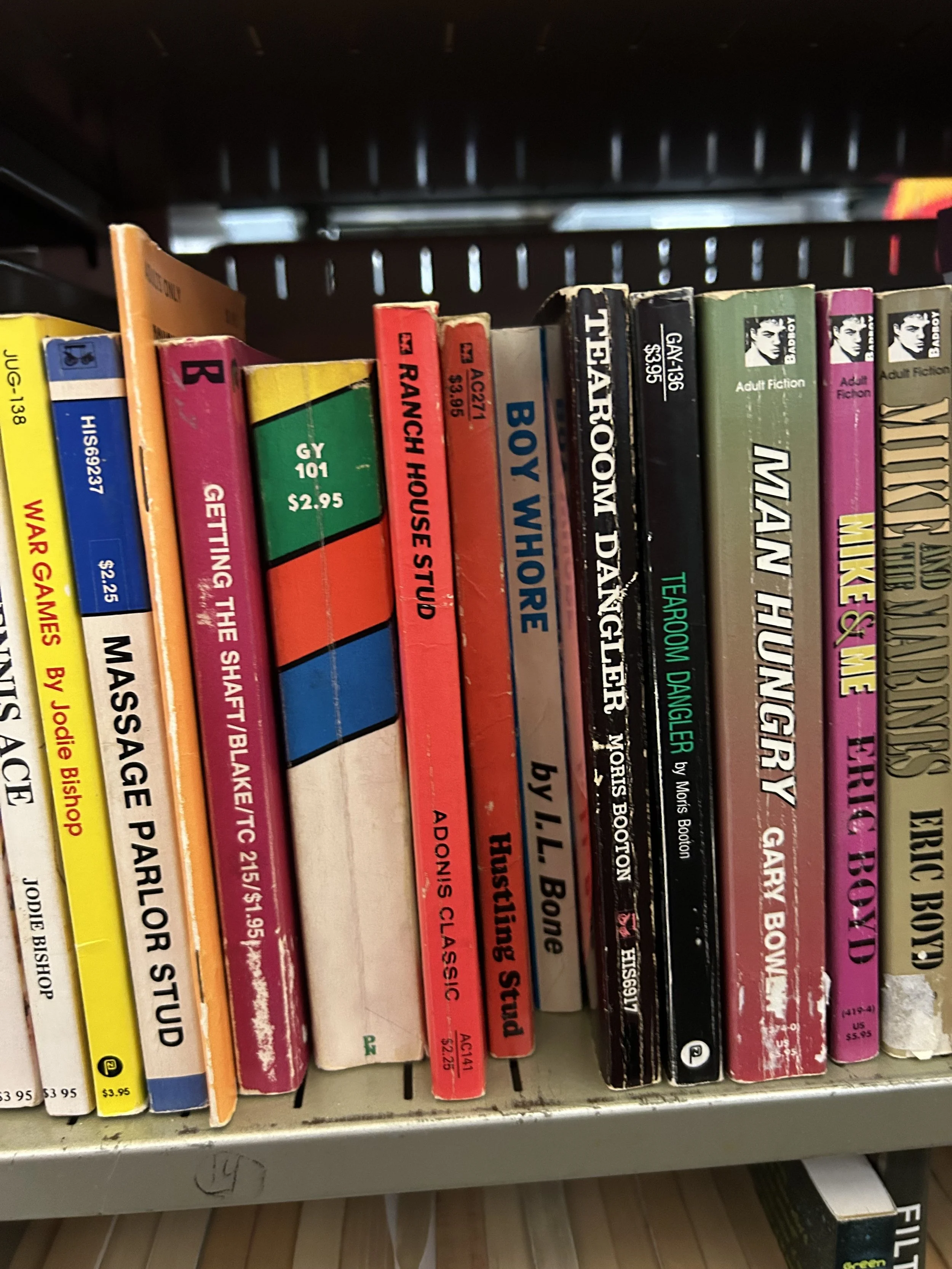
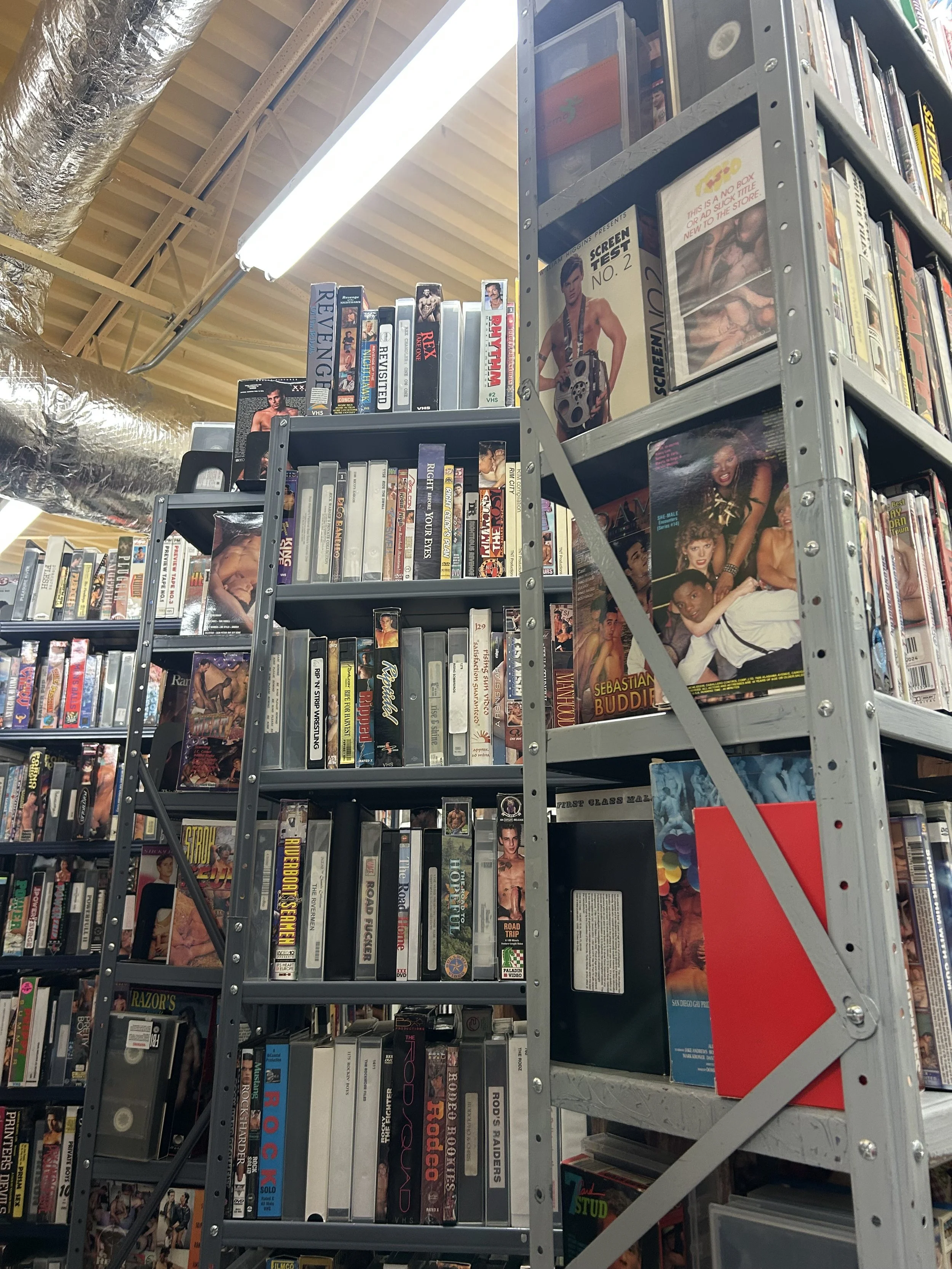
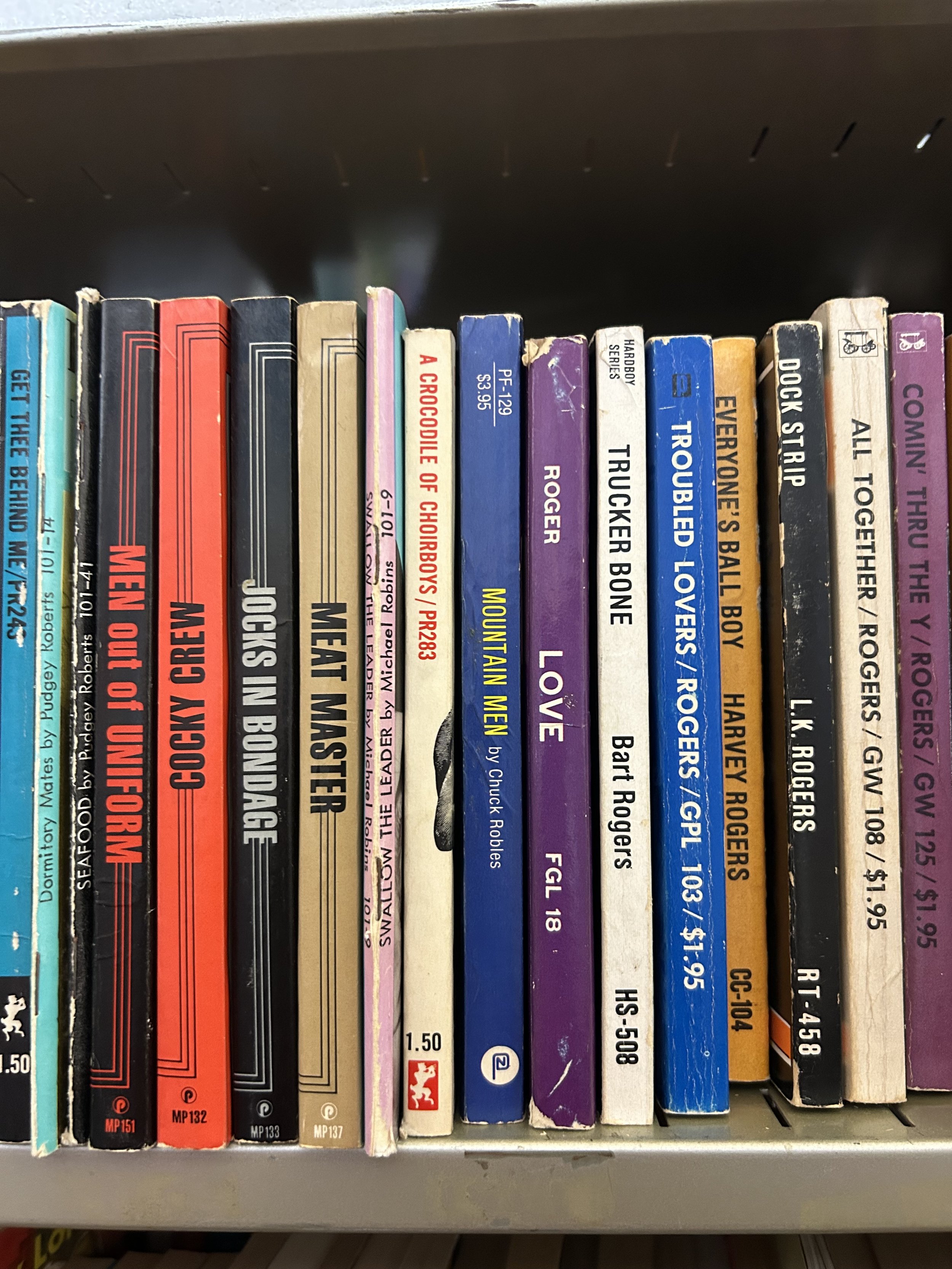
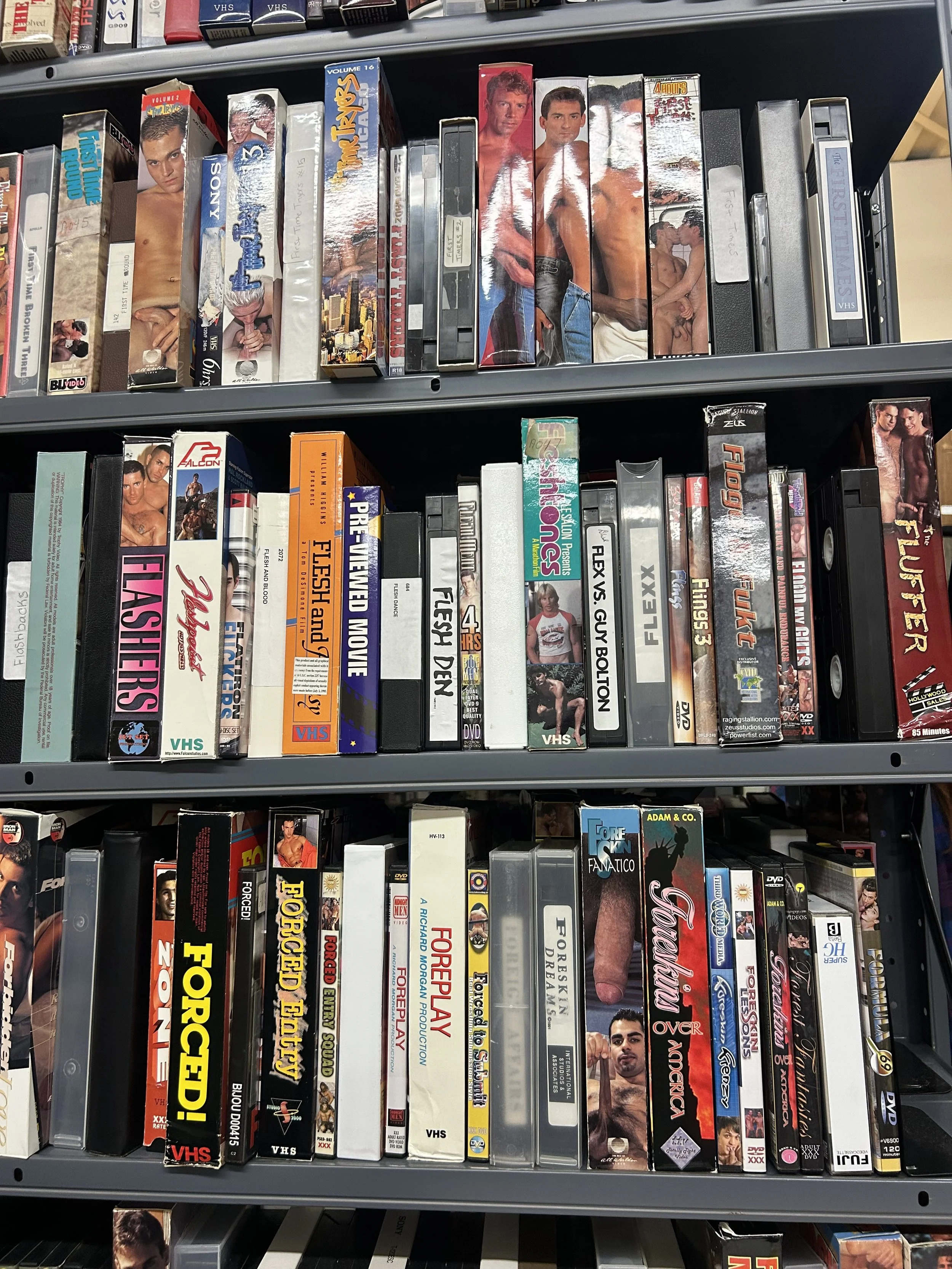
The most obvious material holdings, filling up storage rooms from ground to ceiling, were the stacks of pornographic materials.
Row after row of magazines and videotapes, saved and preserved with the same seriousness and care as any other historical document. At first, the presence of so much explicit material felt surprising, almost disorienting within the traditional image of an archive as a restrained academic space, not to mention on a class field trip. We giggled while pointing out the elaborate titles we saw, such as Meat Master, Horny-Assed Virgin, and Prep School Pussy Boy.
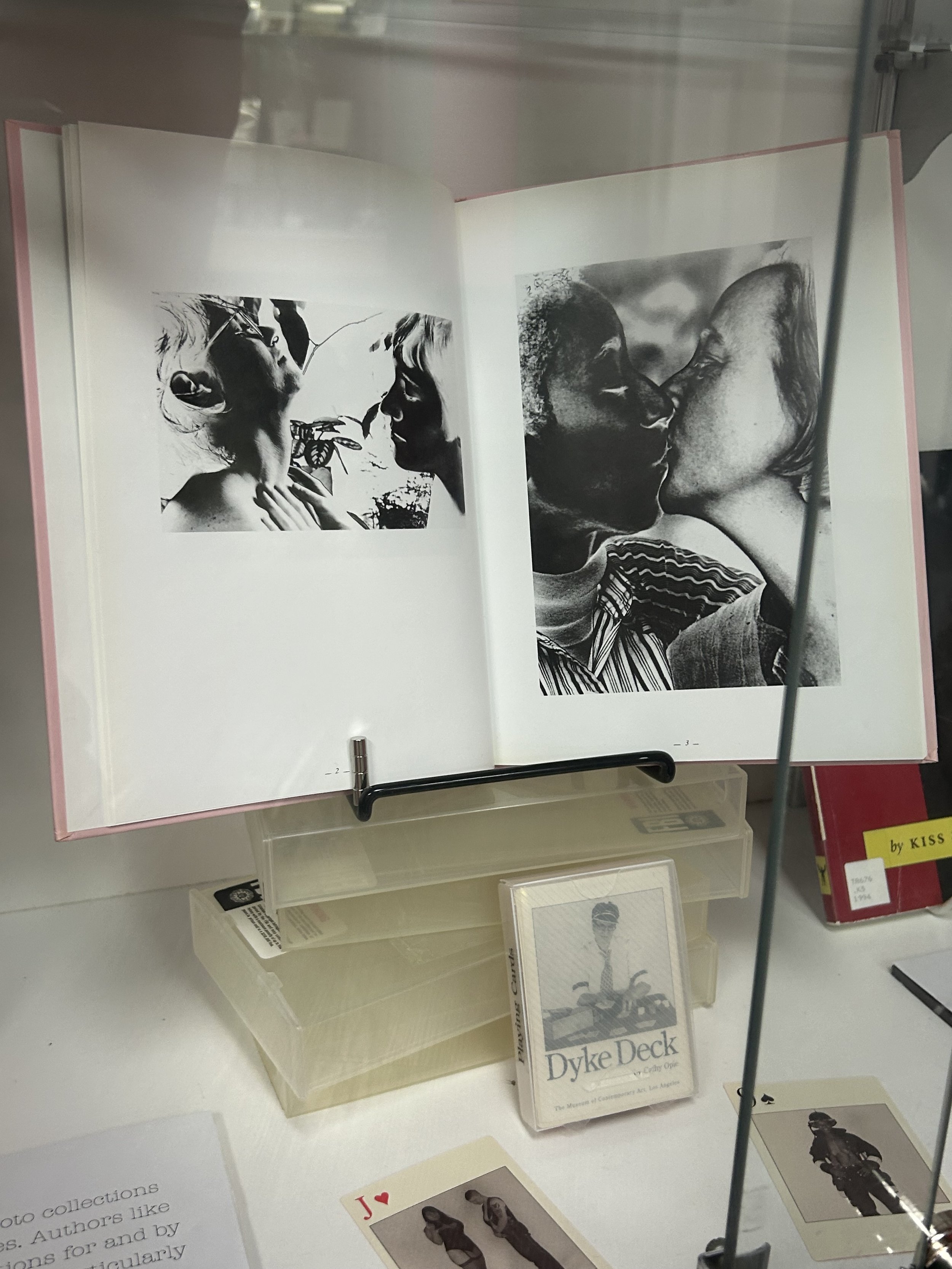
Pornography, in this context, was not treated as novelty or scandal but as cultural evidence. It documented desire, identity formation, aesthetics, community networks, and forms of visibility that existed long before mainstream acceptance. For many LGBTQ+ communities, especially in earlier decades, erotic media functioned as one of the few accessible spaces where queer identities could be expressed openly. These materials recorded sexuality, survival, connection, and self-recognition.
This archive sought to make it clear that intimacy, pleasure, and the complexities of lived experiences are ingrained in history and deserve to be recorded and saved. Preservation here felt expansive rather than selective, refusing to sanitize the past in order to make it more comfortable.
I kept thinking about the act of saving itself. Someone chose to keep these magazines. Someone donated them. Someone decided they mattered enough to catalog, box, and maintain in climate-controlled storage. The archive became visible not just as a collection of objects but as a chain of decisions rooted in care.
This collection emphasizes that the knowledge of LGBTQ+ and other underrepresented groups’ histories fosters understanding and social change. Walking through the stacks proved that clearly. History here was not abstract, but tactile, messy, joyful, political, and most importantly, deeply human.
Leaving the archive, I found myself thinking about accumulation differently. The cold room was filled with materials once considered disposable or marginal. Yet together, they formed an undeniable record of presence. The archive did not just preserve history. It insisted that these lives, desires, and communities were always worth remembering.
I walked out realizing that archives are not neutral containers of the past. They are acts of affirmation, insisting that this mattered enough to keep.