Welcome
I have found that I like to keep track of what I am looking at, listening to, reading, eating, thinking about, and generally absorbing. Not because everything I encounter is important, but because I think the accumulation of these small things eventually becomes a record of who I am in this moment, what I am thinking about, and how it ultimately affects what I do and what I become.
This is kinda like a personal archive of my daily consumption and the things that stick with me. Whatever inspires me, teaches me something, makes me feel something, gives me an idea, or just catches my attention. I am interested in how these unrelated things begin to exist alongside one another, and in remembering what I was doing and consuming at this point in my life when I look back on it in the future.
Here I am sharing the things that shape ME!
I may also post essays/writings along with daily documentation.
EDIT: As of August 2026, I think I am switching over to Substack for all text-based work and thoughts…
July 1st, 2026
Summer break round-up pt 2.
Eyes:
truthfully-
Love Island USA
Then on a different note-
“One Day, Everyone Will Have Always Been Against This”, Omar El Akkad
“Grief Is For People”, Sloane Crosley
I have discovered and obsessed over the Institute of Network Cultures
Some of my favorite reads have been:
“In the Void to Re-member: Algorithmic Archives and the Fragmented Self”, Laura Subirats
“Baby, Please Don’t Break the Streak – The Application as an Anxious-Preoccupied Partner”, Quỳnh Vương
“The Immediacy Complex: The Bias of Information”, Alessandro Sbordoni
Ears:
ALL OF you seem pretty sad for a girl so in love by Olivia Rodrigo
Then, again, on a very different note-
“I Bring My Gun To The Function”, Brutalismus 3000, Boyz Noize
“Bobby Malone Moves Home”, Casiotone for the Painfully Alone
May 29, 2026
Summer break, round-up pt 1.
Ears:
“Chance”, Dead Calm, windowdusk
“Cards”, Alex G
“Perfect Places”, Lorde
“Israel”, WILLOW
“Blurring Time”, Bells Larson
Eyes:
“The Road to Tender Hearts”, Annie Hartnett
“The Secret History”, Donna Tartt
“Dept. of Speculation”, Jenny Offill
The Devil Wears Prada 2
Mouth:
This is ridiculous but amazing: iced maple latte with half banana milk, half skim. LOL
May 2st, 2026
Ears:
“Je te laisserai des mots”, Patrick Watson
“The Leanover”, Life Without Buildings
Eyes: Today I went from identity through possessions and consumption—> artist books! yay!
Possessions and the Extended Self, Russell Belk
We Are What We Keep: The “Family Archive”, Identity and Public/Private Heritage, Anna Woodham et al.
The New Algorithm of the Photobook: A Reading, Patrick Pound
The Book Artist and the Archivist: A Shared Perspective, Andrea Kohashi
Development of the Artist’s Book, Peter D. Verheyen
“Famesick”, Lena Dunham
Mouth:
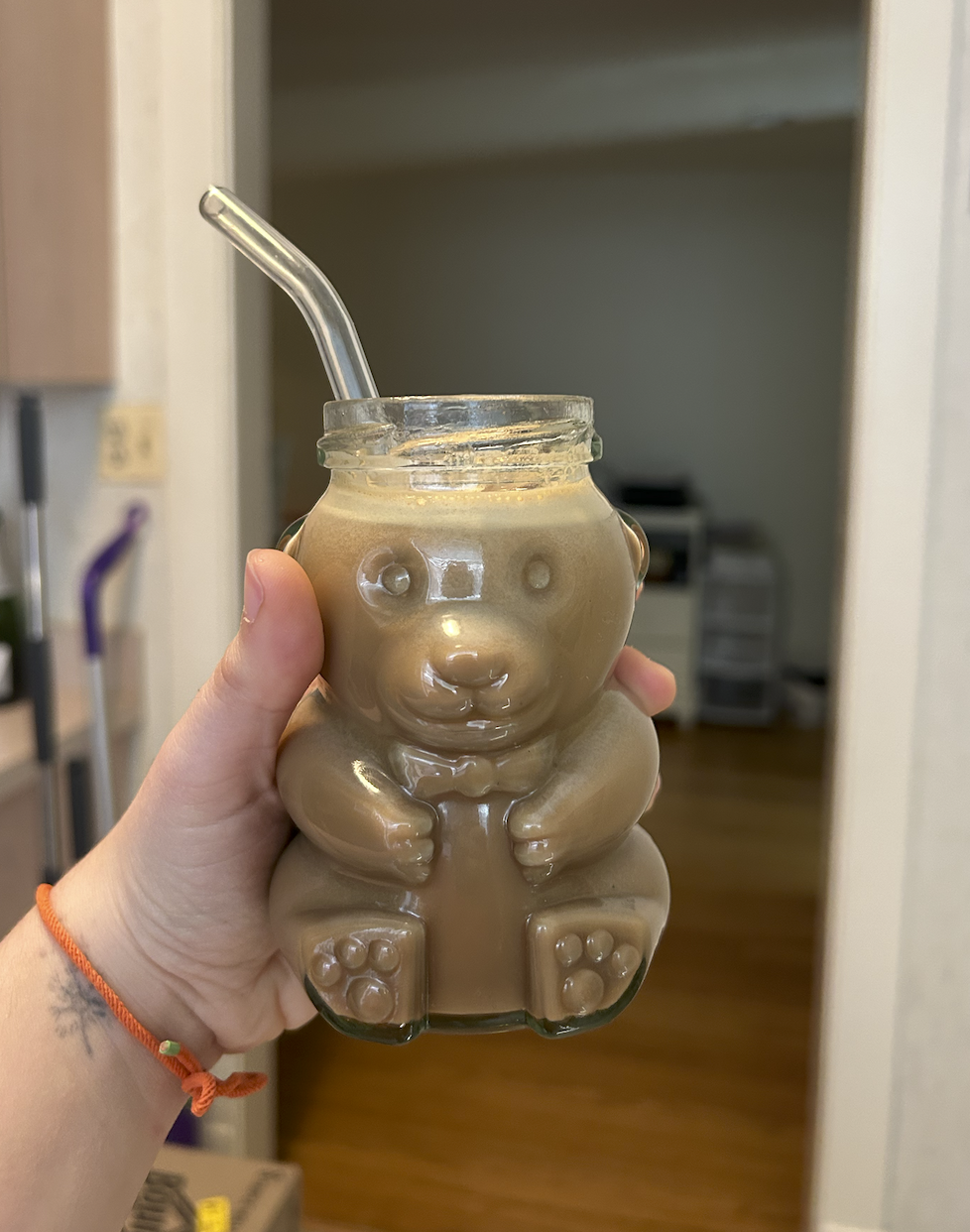
Current homemade coffee go to: iced honey brown sugar latte in my little bear cup
I made banana bread! (extra chocolate)
April 29th, 2026
Eyes:
I always find it hard to include my Substack readings here, but today I’m gonna list out some ones I’ve been revisiting that have felt important to me… today specifically, I’m thinking a lot about identity and how what we love fuels our identity:
“You’re shaped by what you pay attention to”, Sherry Ning
Similar and a sort of continued read to the one above is “You are what you love”, Sherry Ning
“Our Camera Rolls Are Broken, Leaving Our Memories In Danger”, Grownkid
Ears:
“Jemma”, Dead Calm
“Luminary”, Joel Sunny
Mouth:
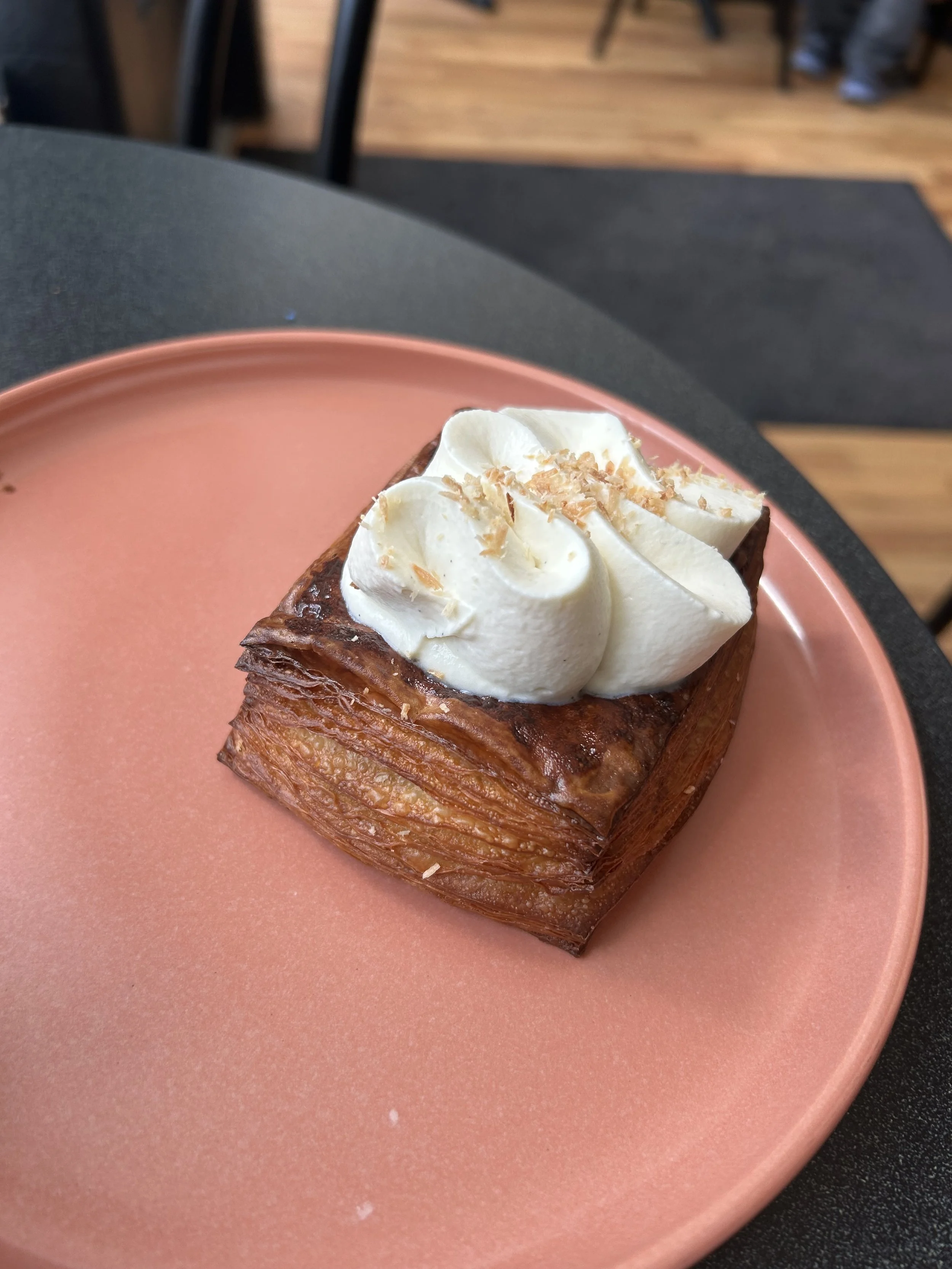
Toasted coconut sesame croissant from Daeji Dough
April 27, 2026
Ears:
“Congratulations”, MGMT
“Pepper”, Butthole Surfers
“Sweet Sixteen”, Think About Life
Mouth:
Crispy pesto feta eggs on sourdough w tomato🤤
Eyes:
The Archive and the Human Sciences: Notes Towards a Theory of the Archive, Irving Velody
The Space of Memory: In an Archive, Carolyn Steedman
April 24, 2026
Ears:
“Tribulations”, LCD Soundsystem
“A&W”, Lana Del Rey
“Fast Car”, Tracy Chapman
“HIGHJACK (right back)”, Alok, Łaszewo, A$AP Rocky
“Delirium (feat. Mark E. Smith)”, Gorillaz
Eyes:
Theories of the Archive from Across the Disciplines, Marlene Manoff
The Making of Memory: the Politics of Archives, Libraries and Museums in the Construction of National Consciousness, Richard Harvey Brown and Beth Davis-Brown
“The Vegetarian”, Han Kang
Mouth:
Recent dinner obsession: roasted broccoli with either tofu or chickpeas, quinoa, feta, Trader Joe’s vegan Caesar dressing, cherry tomatoes, yum.
April 18, 2026
Eyes:
Walden, Henry David Thoreau
The new season of Vanderpump Villa why is it actually so good I’m crying
**not me binging reality tv and then reading Walden
Love Is the Message, The Message Is Death, Arthur Jafa
Ears:
“Gnaw”, Alex G
“Jemma”, Dead Calm
“If I Cleaned Everything Would You Come Back (Variations on a Theme)”, Ricky Eat Acid
April 17, 2026
Ears:
“On the Radio”, Regina Spektor
“Young Fathers”, Typhoon
“She’s Gone, Dance On”, Disclosure
“Blood On The Leaves”, Kanye West
“Calypso”, Spiderbait
Eyes:
“Self-Reliance”, Ralph Waldo Emerson
Half His Age, Jeanette McCurdy
Mouth:
Got TWO bags of Doritos for one from the vending machine
April 14, 2026
Ears:
“Song on the Beach”, Arcade Fire, Owen Pallett
“Waiting for You (Bonus Track)”, Alex G
“Toxic”, YAWNS, Drippin So Pretty, Cold Hart
“Featherstone”, The Paper Kites
Eyes:
Archives of the Fallen, Charles Merewether
First Information Report, Raqs Media Collective
April 9, 2026
Oops
Eyes:
An Archival Impulse, Hal Foster
A Language to Come: Japanese Photography After the Event, Charles Merewether
Ears:
“Survival Song”, AJJ
“Walk Like Thunder”, Kimya Dawson and Aesop Rock
“Friday I’m in Love” - Live from Glastonbury, Olivia Rodrigo and Robert Smith
“It Wasn’t God Who Made Honky Tonk Angels”, Dolly Parton, Tammy Wynette, Loretta Lynn
“My Mom”, Kimya Dawson
Mouth:
Iced caramel madeleine latte from Coffee Lab and Roasters (tastes like a liquid cookie, I dream about it)
April 1, 2026
Ears:
“Kool Aid”, Diana Gordon
“Nepal”, San Cisco
“The Kids Will Be Alright, Eventually”, Sledding With Tigers
“The Summer”, Josh Pyke
“Flower Moon”, Vampire Weekend
“Intersection”, Modern Baseball
“Hindsight”, Family Hahas
Eyes:
Bibliographic Performances & Surrogate Readings, Janelle Rebel
Gerhard Richter, Arias: Das Archiv der Anomie, Benjamin H.D. Buchloh
The Model of the Sciences, Anne Moeglin-Delcroix
Politics of Cultural Heritage, subREAL (Cãlin Dan and Josif Kiraly)
Gerber/Hart LQBTQ+ Library and Archives Visit
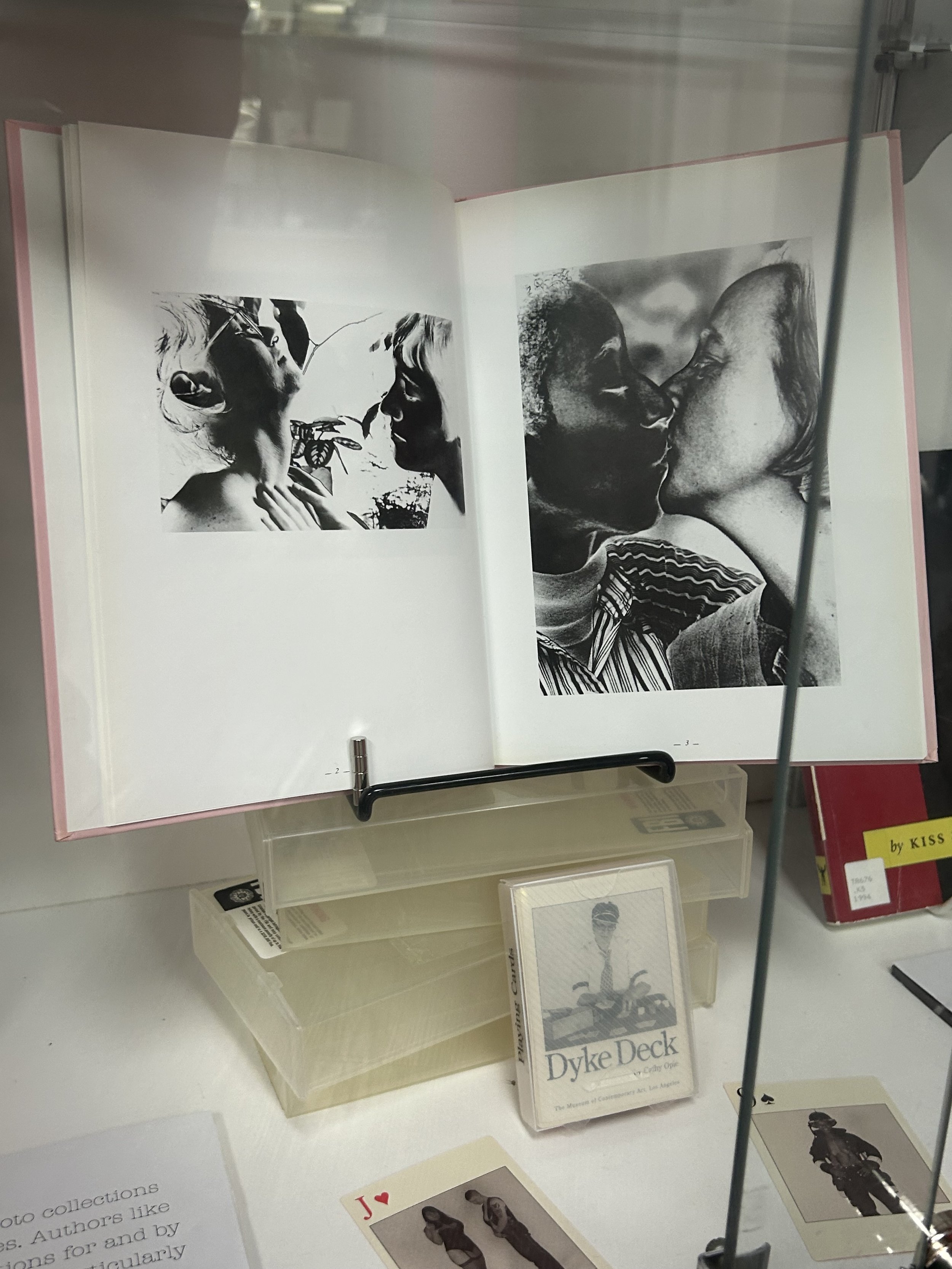
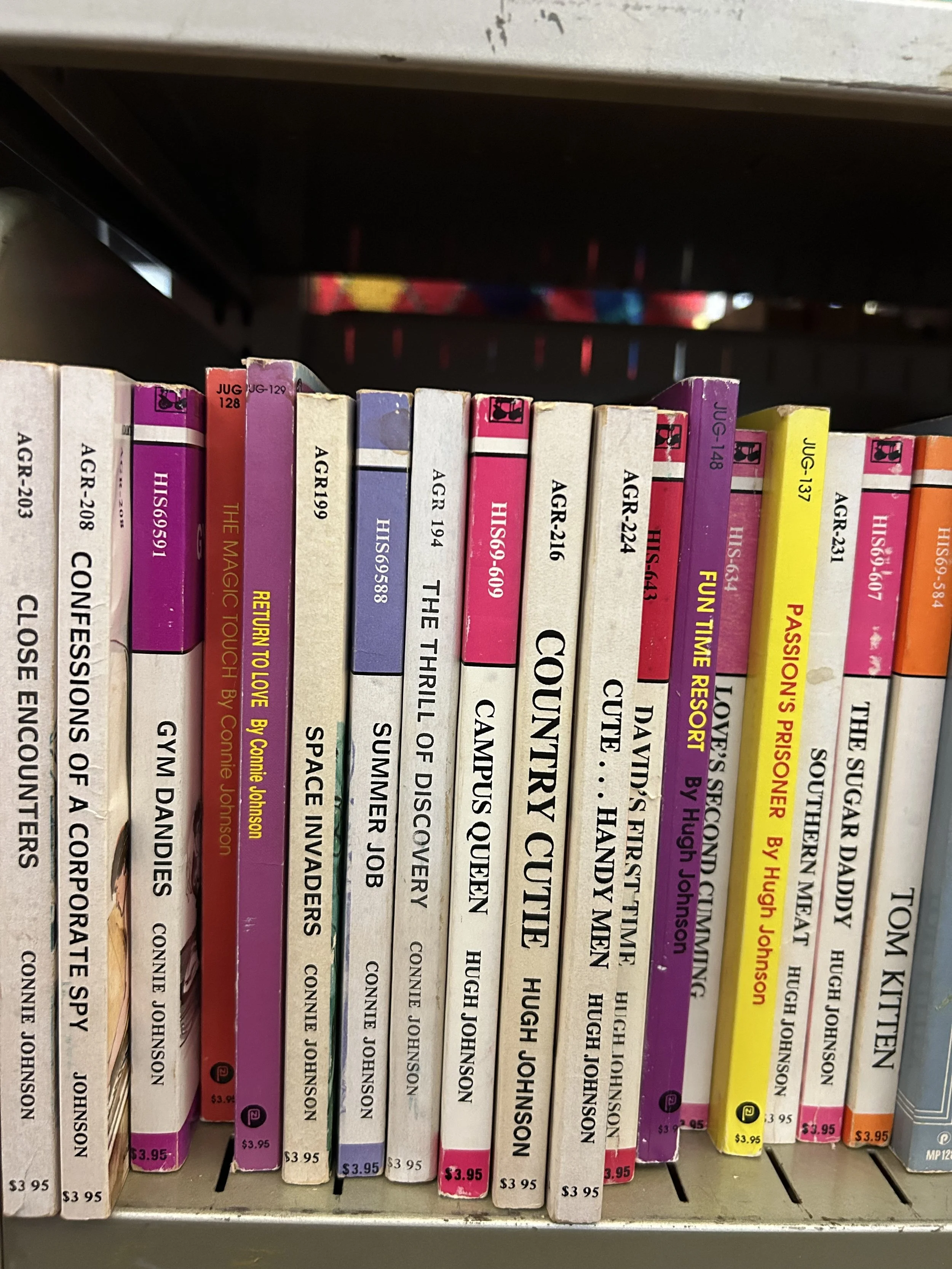
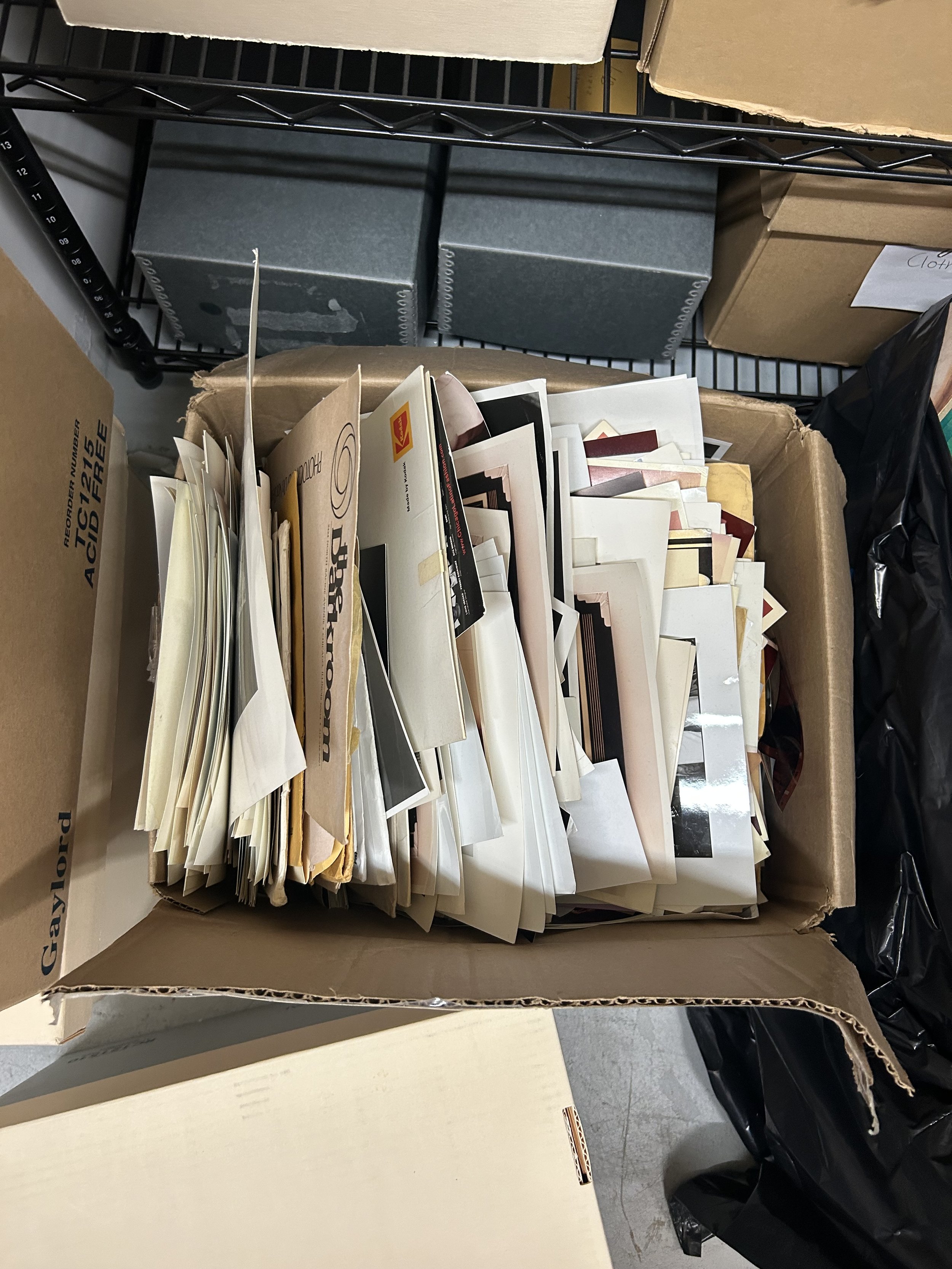
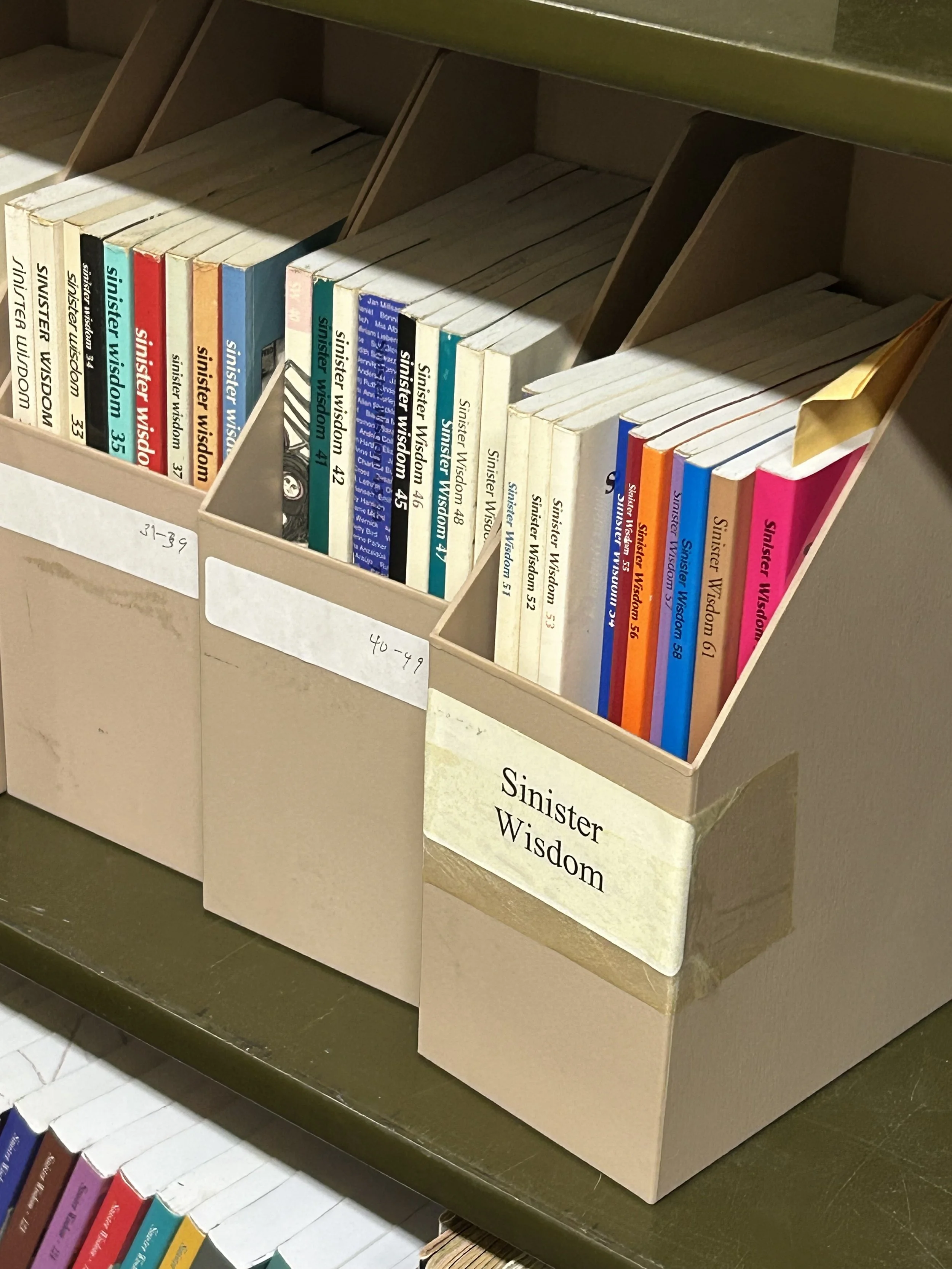
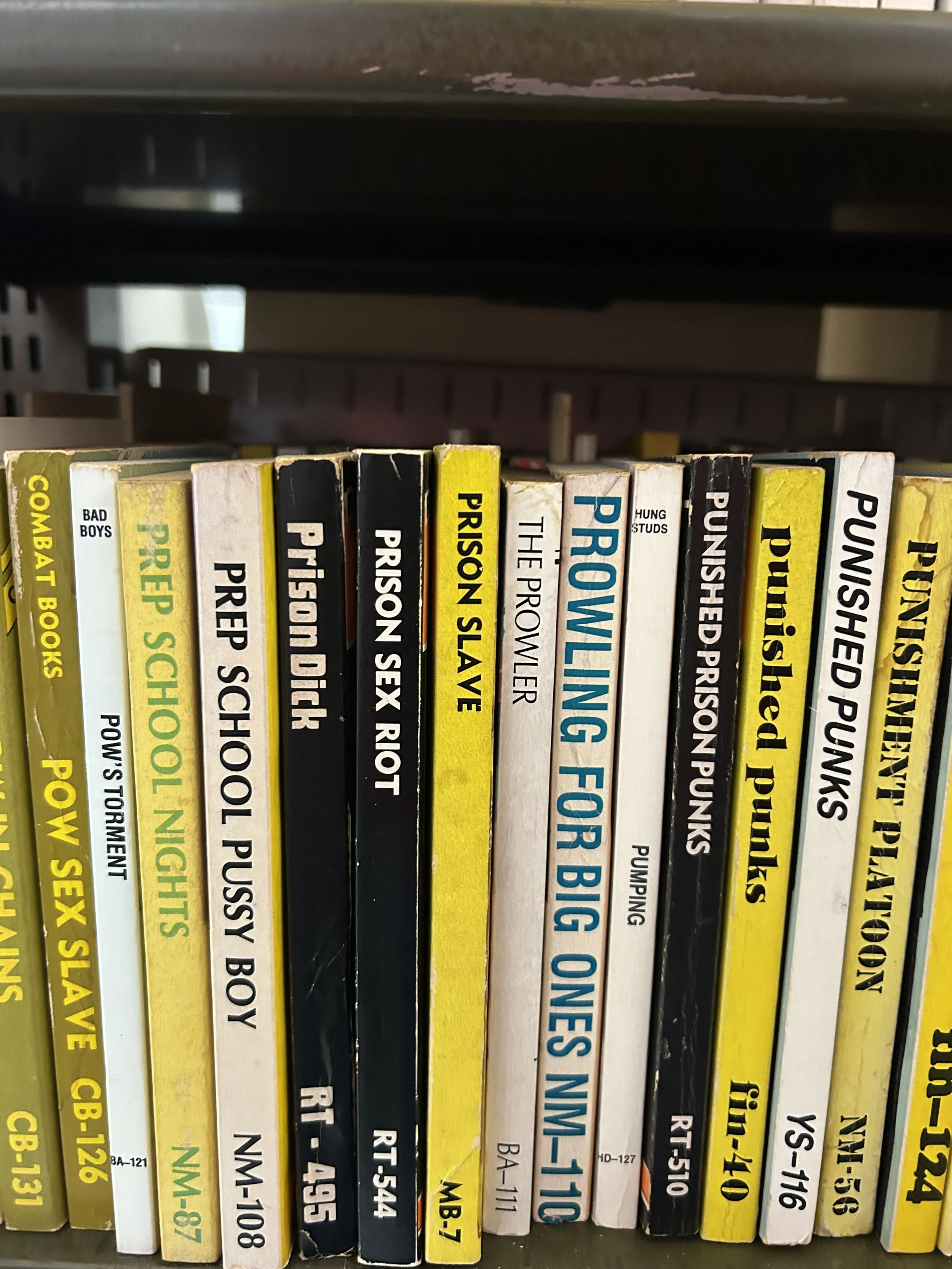
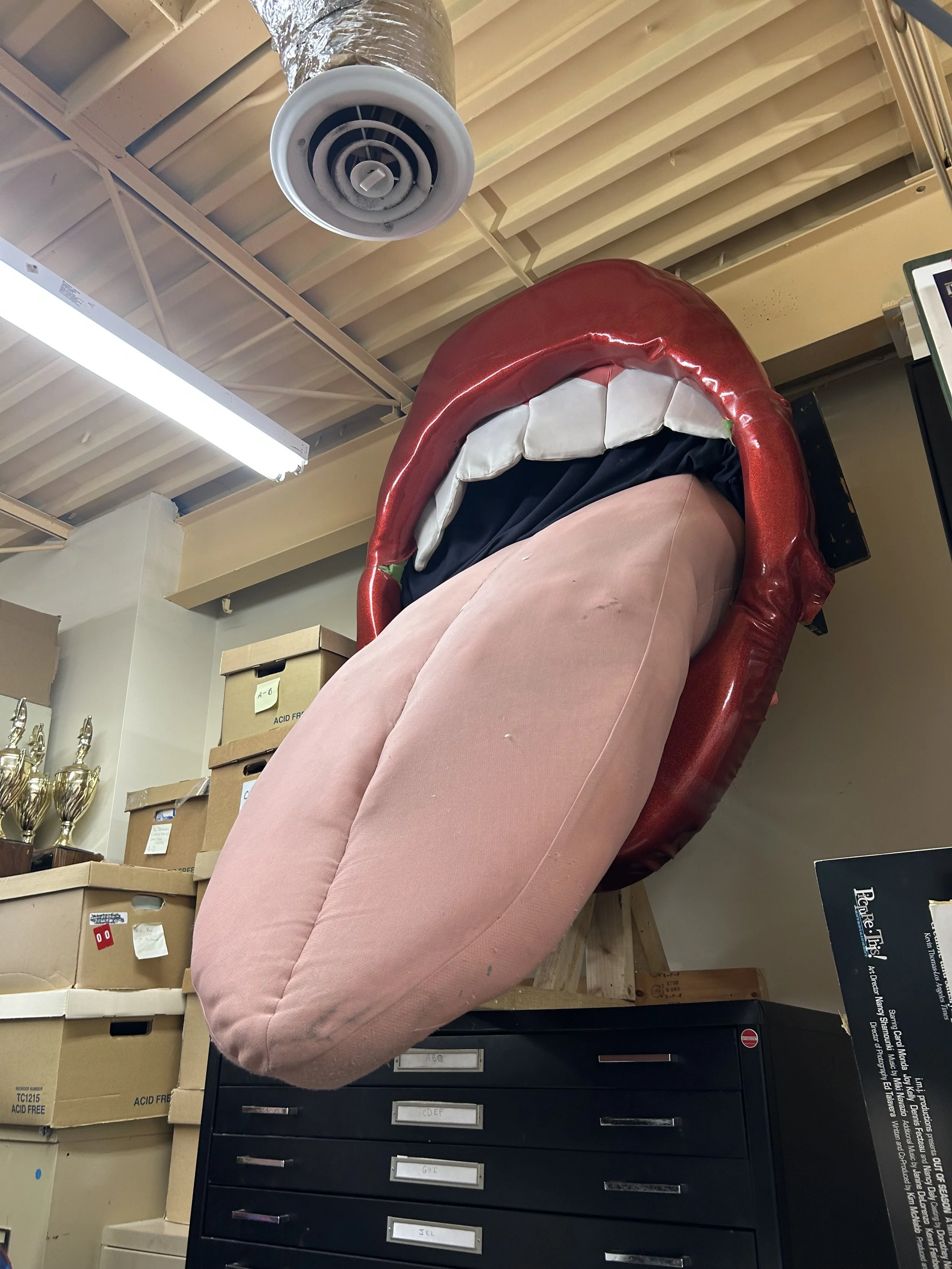
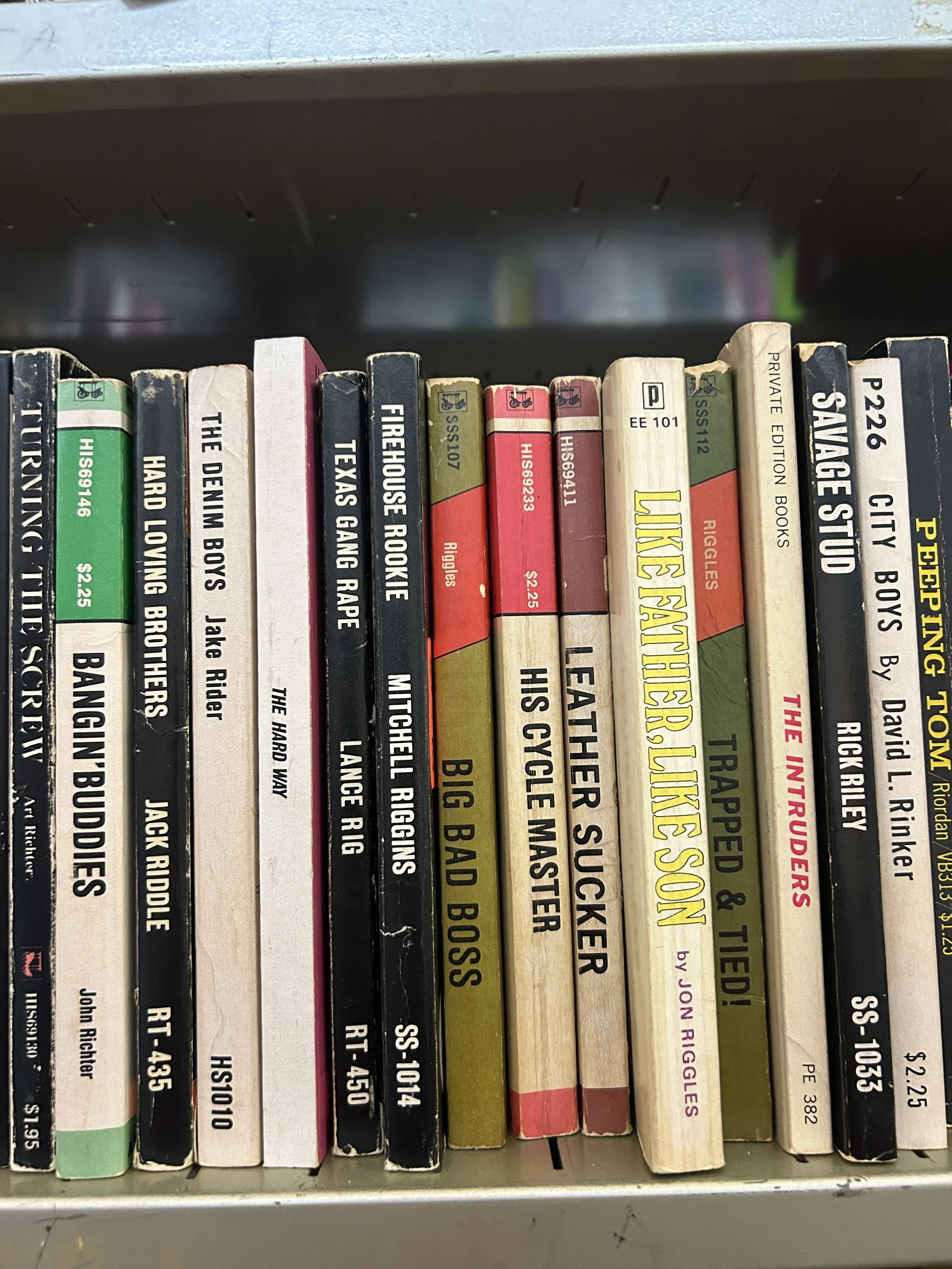
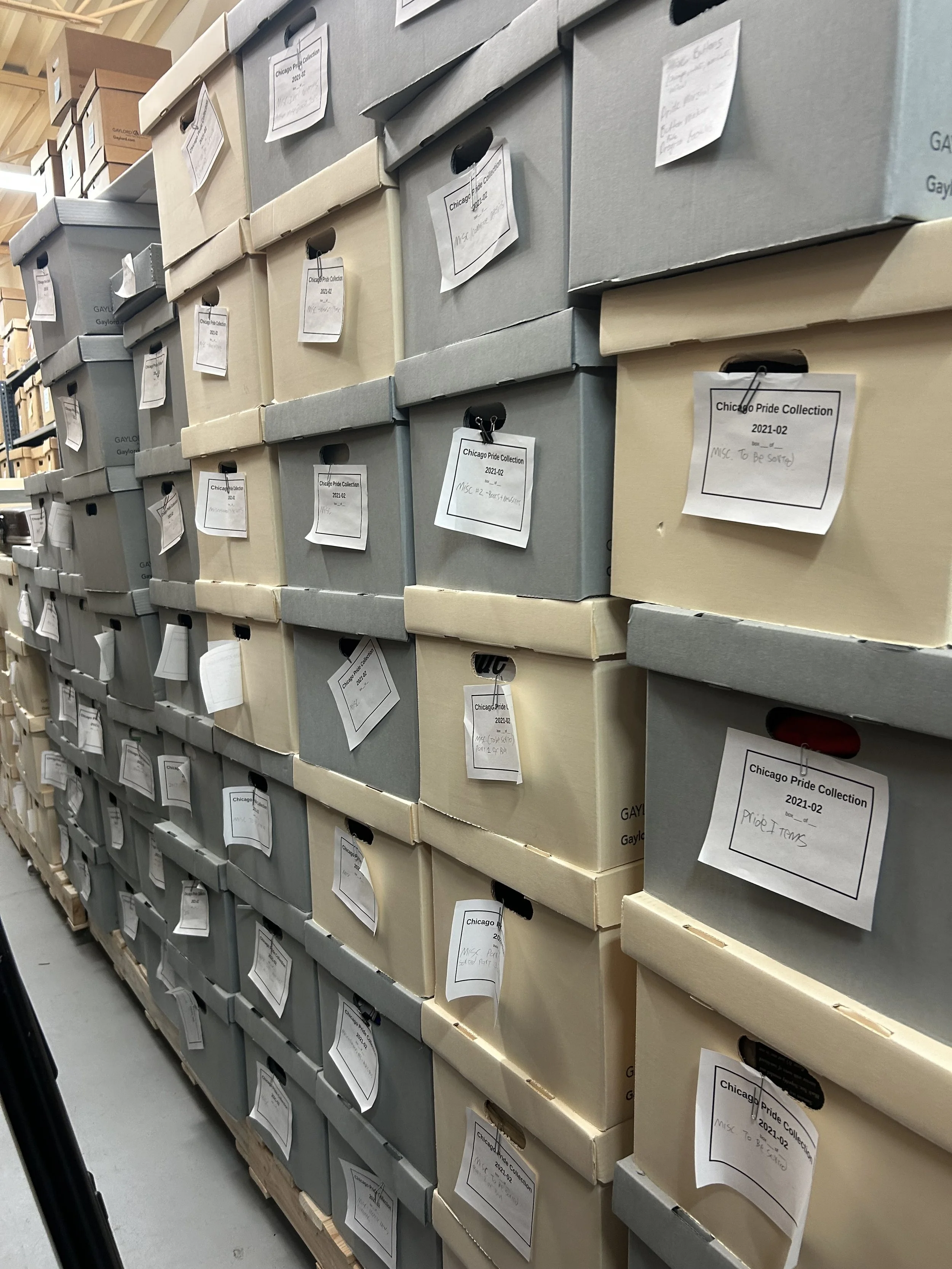
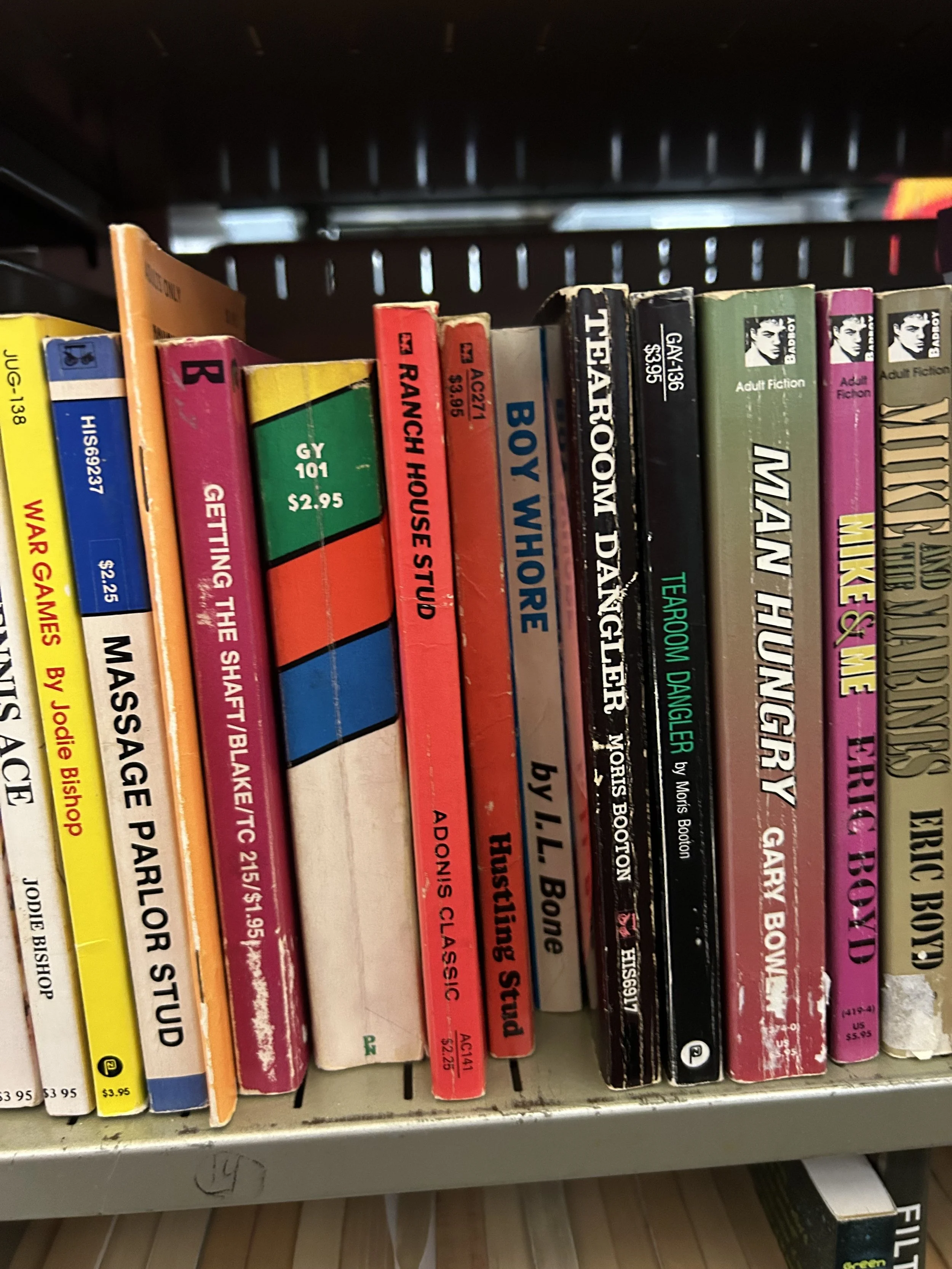
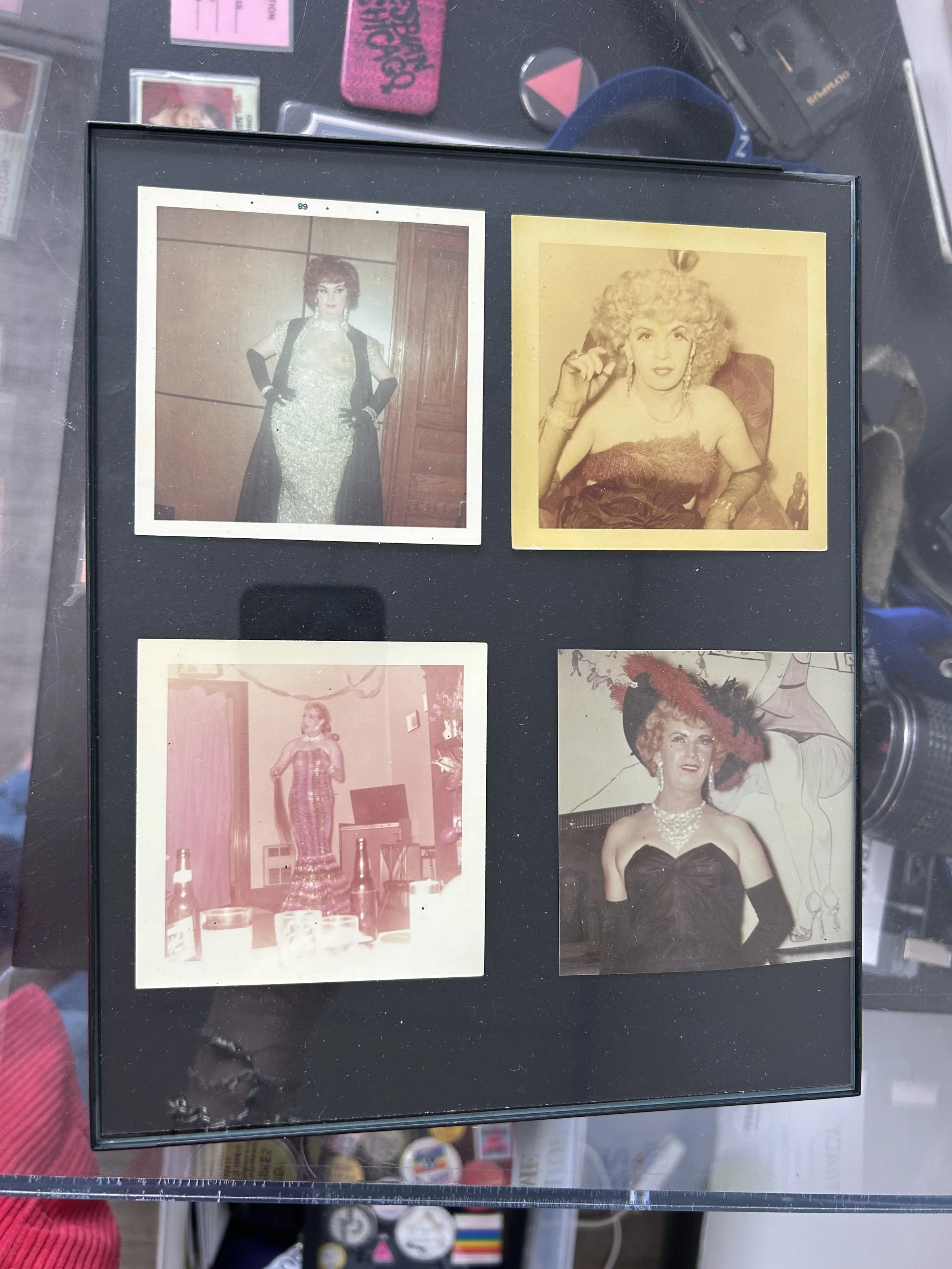
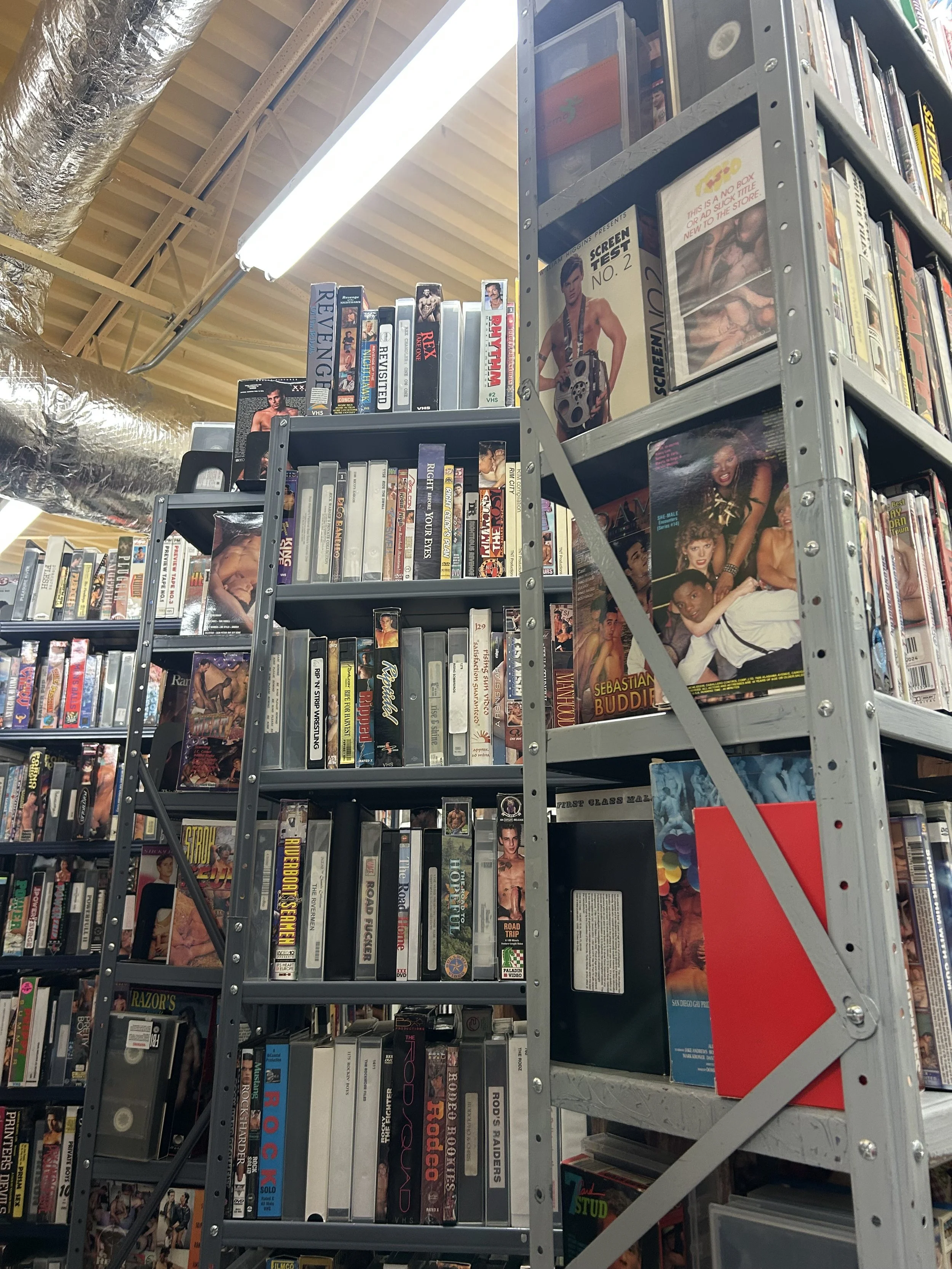
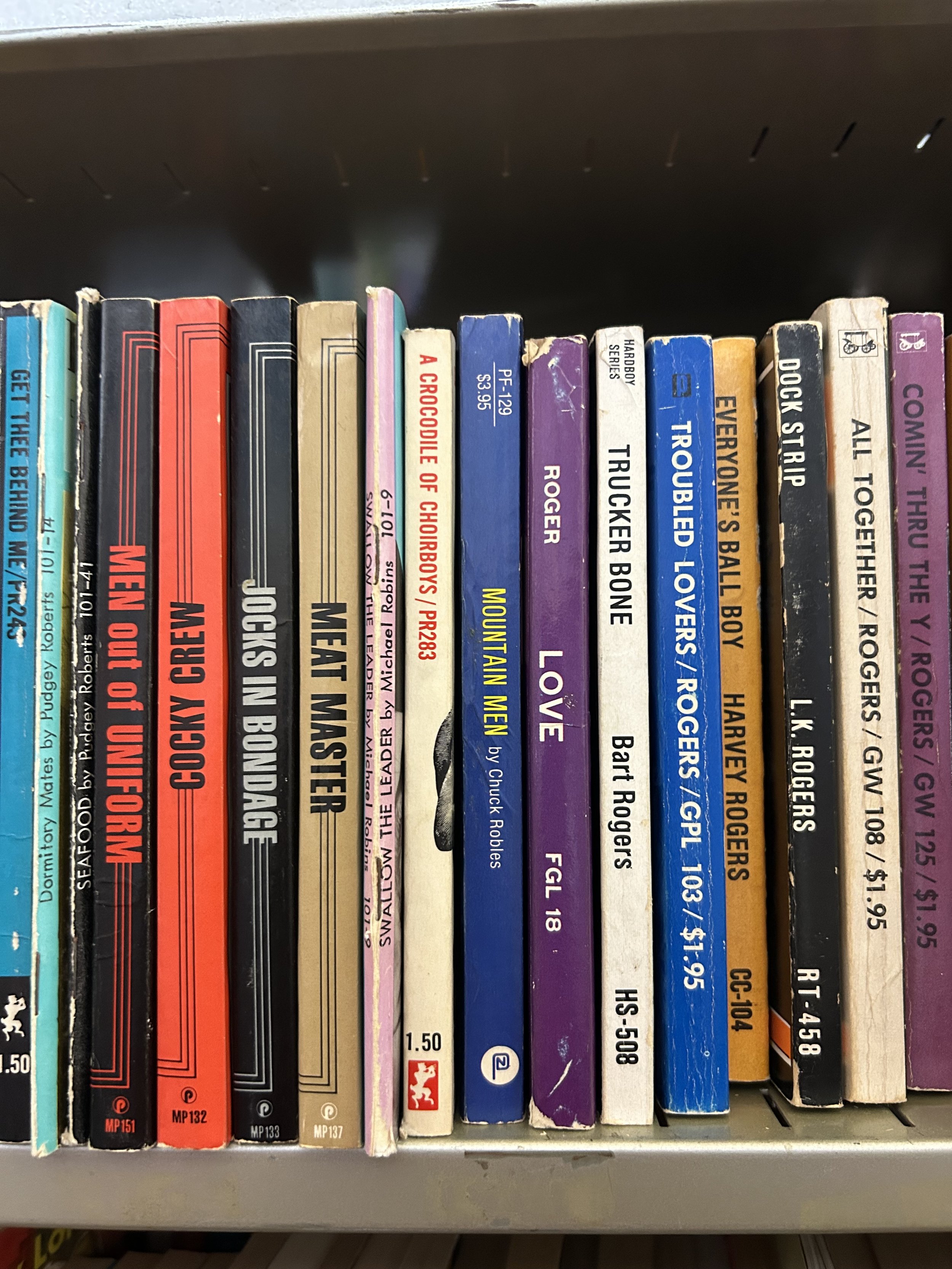
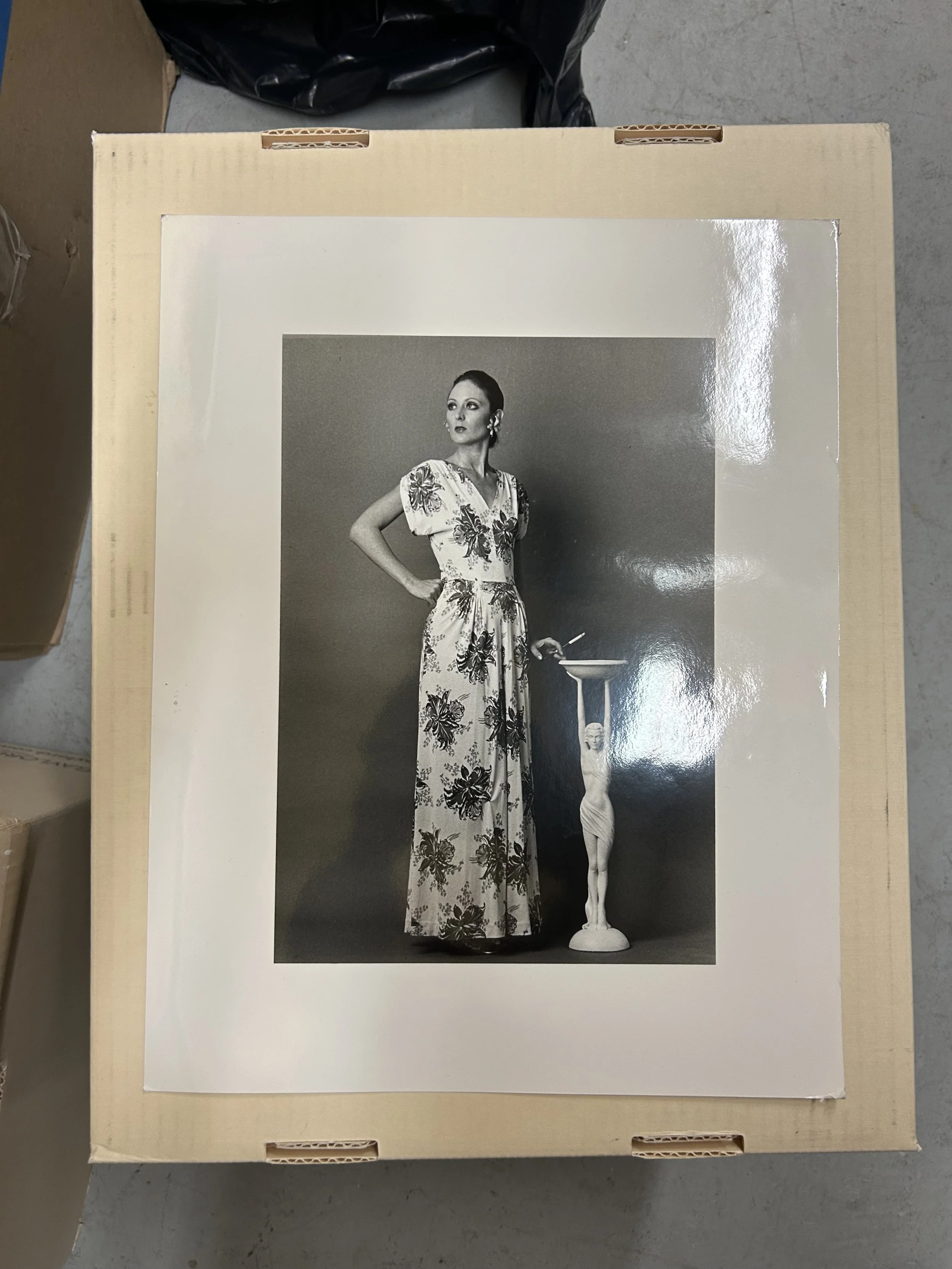
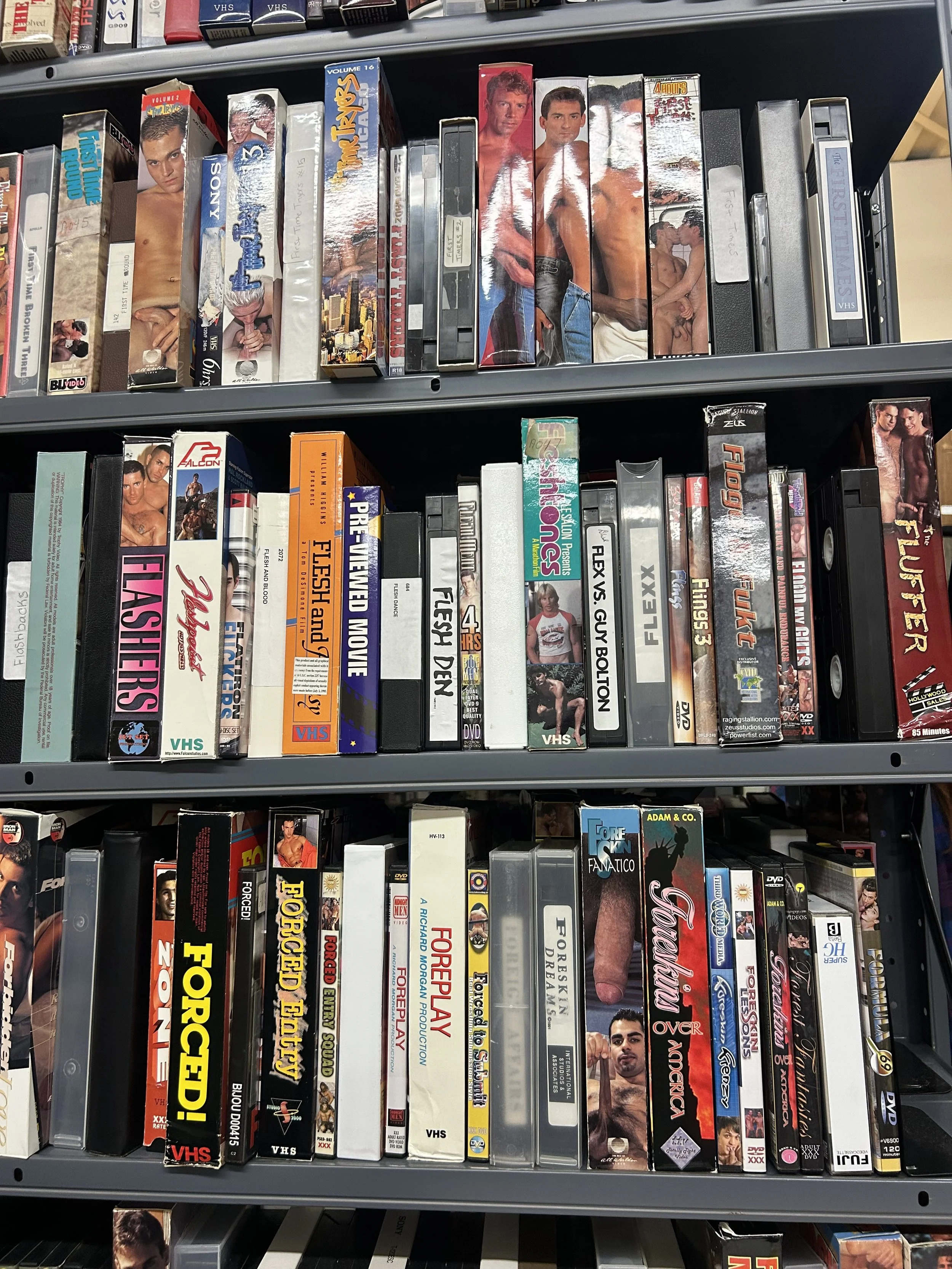
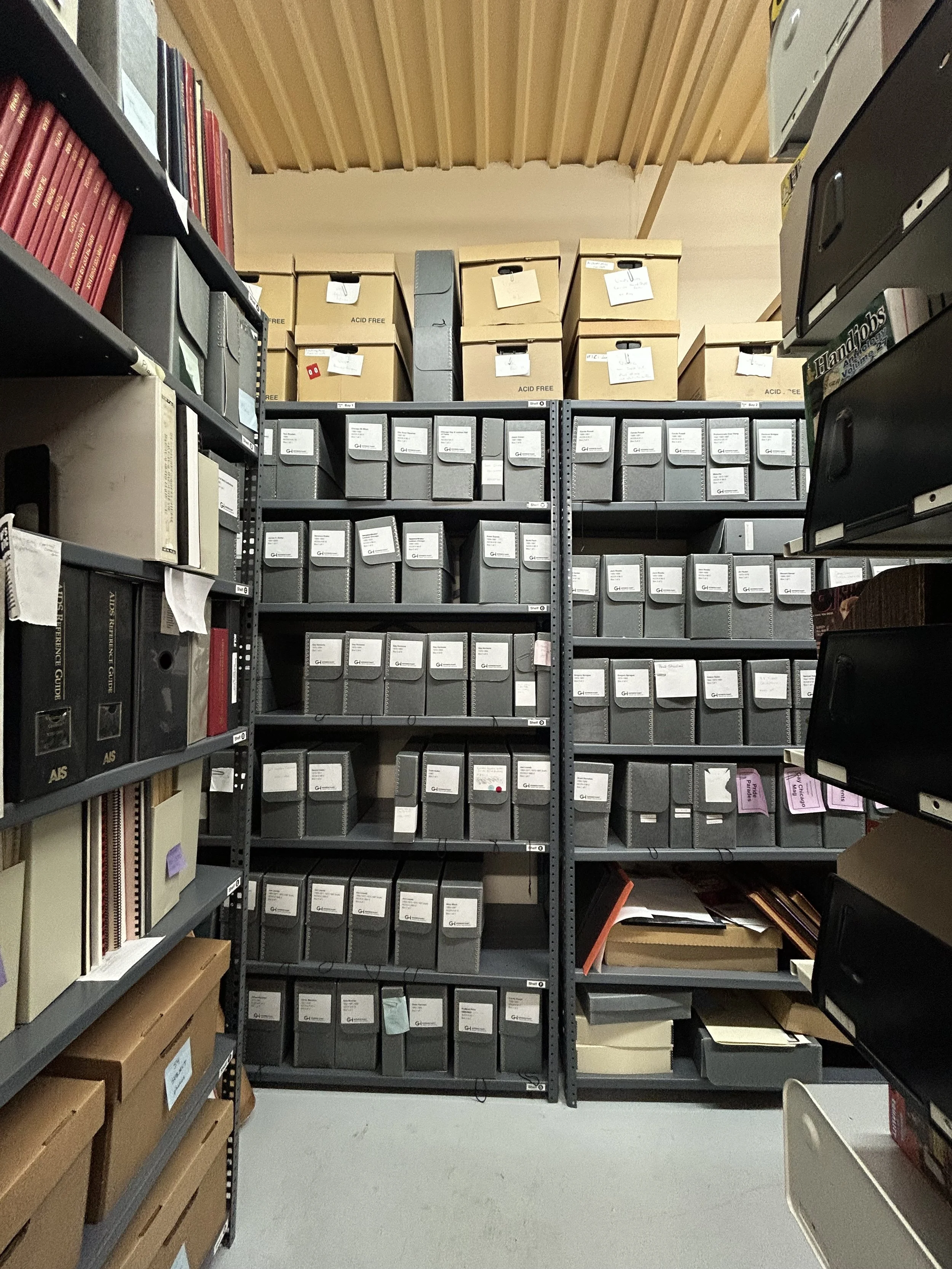
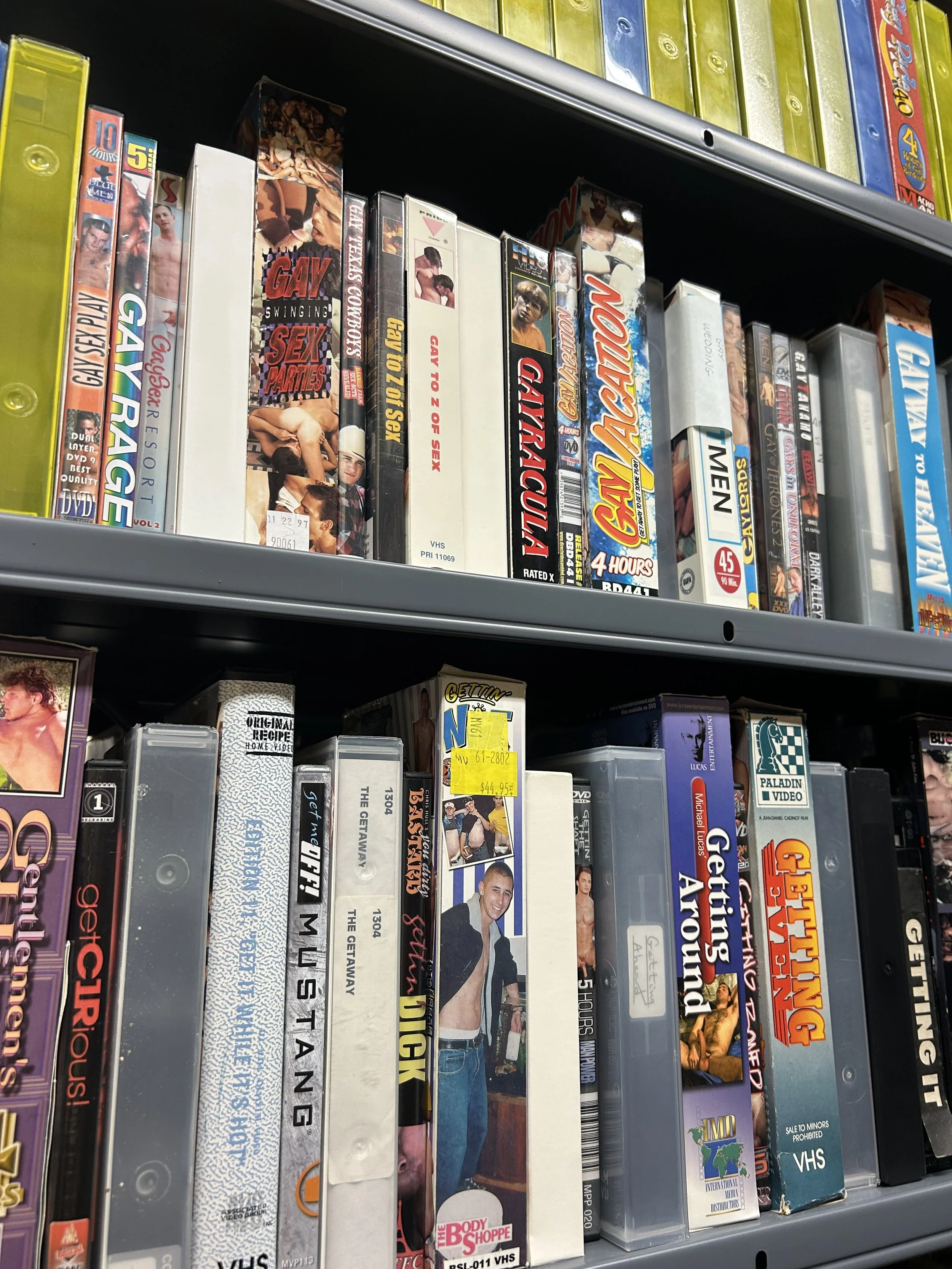
Last week, as part of a class field trip, I visited the Gerber/Hart Library and Archives in Rogers Park, Chicago. I went in with little knowledge, not knowing what to expect. I imagined a small grassroots archive, maybe a room lined with books and carefully labeled folders.
When our tour guide and librarian opened the door to the archive’s cold storage room, I was struck by the quantity of shelved materials. The temperature dropped, and in front of me stood stacks and stacks of boxes stretching across shelving units, dense with history, which, if not preserved by them, would likely have otherwise been discarded. Books, videotapes, drag costumes, folders, magazines, binders. The scale was overwhelming in a way that felt intimate. Every box represented countless individual lives that were attempted to be erased and unrepresented, compressed into one large archive.
The Gerber/Hart Library and Archives was founded in 1981 to collect, preserve, and make accessible the history and culture of LGBTQ+ communities, particularly in Chicago and the Midwest. Hearing this mission while surrounded by the physical evidence of it made the statement feel less institutional and more urgent. Many of these histories were never preserved elsewhere. Without spaces like Gerber/Hart, entire networks of community memory might simply disappear.
The archive did not shy away from certain materials in order to be more traditionally accepted; it did not separate the political from the personal, but instead, it revealed how deeply intertwined they are.
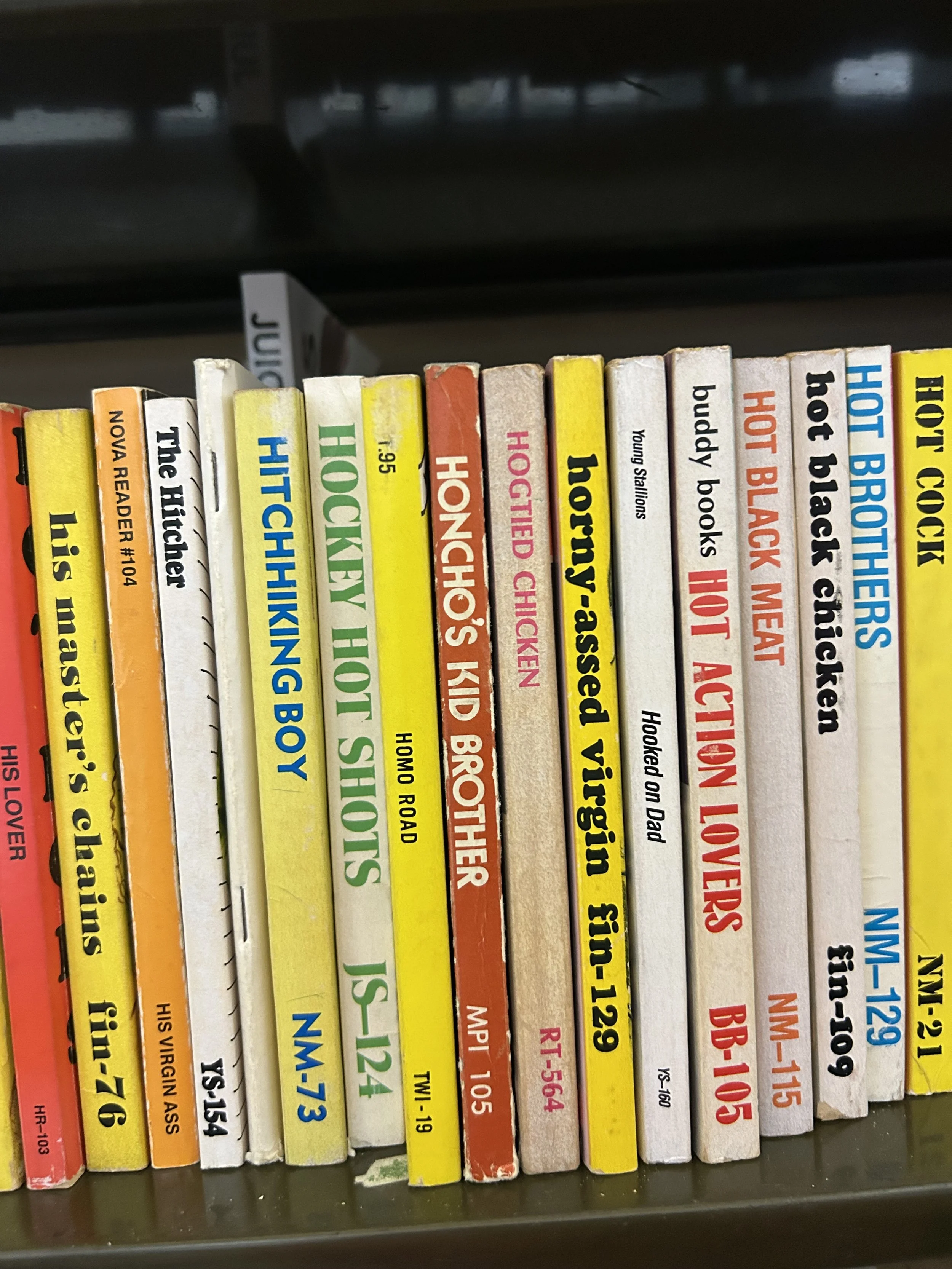
The most obvious material holdings, filling up storage rooms from ground to ceiling, were the stacks of pornographic materials.
Row after row of magazines and videotapes, saved and preserved with the same seriousness and care as any other historical document. At first, the presence of so much explicit material felt surprising, almost disorienting within the traditional image of an archive as a restrained academic space, not to mention on a class field trip. We giggled while pointing out the elaborate titles we saw, such as Meat Master, Horny-Assed Virgin, and Prep School Pussy Boy.
Pornography, in this context, was not treated as novelty or scandal but as cultural evidence. It documented desire, identity formation, aesthetics, community networks, and forms of visibility that existed long before mainstream acceptance. For many LGBTQ+ communities, especially in earlier decades, erotic media functioned as one of the few accessible spaces where queer identities could be expressed openly. These materials recorded sexuality, survival, connection, and self-recognition.
This archive sought to make it clear that intimacy, pleasure, and the complexities of lived experiences are ingrained in history and deserve to be recorded and saved. Preservation here felt expansive rather than selective, refusing to sanitize the past in order to make it more comfortable.
I kept thinking about the act of saving itself. Someone chose to keep these magazines. Someone donated them. Someone decided they mattered enough to catalog, box, and maintain in climate-controlled storage. The archive became visible not just as a collection of objects but as a chain of decisions rooted in care.
This collection emphasizes that the knowledge of LGBTQ+ and other underrepresented groups’ histories fosters understanding and social change. Walking through the stacks proved that clearly. History here was not abstract, but tactile, messy, joyful, political, and most importantly, deeply human.
Leaving the archive, I found myself thinking about accumulation differently. The cold room was filled with materials once considered disposable or marginal. Yet together, they formed an undeniable record of presence. The archive did not just preserve history. It insisted that these lives, desires, and communities were always worth remembering.
I walked out realizing that archives are not neutral containers of the past. They are acts of affirmation, insisting that this mattered enough to keep.
March 29, 2026
Eyes:
Heart the Lover, Lily King
Imperfect Archiving, Archiving as Practice: For a Love of Softness, Be Oakley
Mother, We All Have Been Lonely and Lovely Places, Lara Konrad
Ears:
“9/10”, Jeff Rosenstock
“I Wanna Be Sedated”, Ramones
“I’ve Wasted So Much Time”, Enjoy
“Sing About Me, I’m Dying of Thirst”, Kendrick Lamar
“Coal Miner’s Daughter”, Loretta Lynn
Mouth:
Banana Bread Latte from Cafe Carranza
McDonalds Hashbrown
March 23, 2026
Took a break from my laptop over spring break, spent some time in DC and Richmond, some memorable consumption… mainly food:
Eyes:
Hamnet, Chloé Zhao (LOVED)
Wuthering Heights, Emerald Fennell (did not love)
The Virginia Museum of Fine Arts
Mouth:
Stella’s in Richmond- 100000/10- We got the hummus and pita, Yia Yia’s veggie skillet, and the No. 5 Pasta and I haven’t stopped thinking about it
Chewy’s Bagel in Richmond- one of the best breakfast sandwiches I have ever had in my life
Table side carbonara at Botanya in Richmond
Elizabeth’s in DC- very very very fancy vegan dining, first vegan cheese I’ve ever had that was bearable
March 12, 2026
Eyes:
“Meditations in an Emergency”, Cameron Awkward-Rich
I wake up & it breaks my heart. I draw the blinds
& the thrill of rain breaks my heart. I go outside.
I ride the train, walk among the buildings, men in
Monday suits. The flight of doves, the city of tents beneath the underpass, the huddled mass, old
women hawking roses, & children all of them,
break my heart. There's a dream I have in which I
love the world. I run from end to end like fingers
through her hair. There are no borders, only wind.
Like you, I was born. Like you, I was raised in the institution of dreaming. Hand on my heart. Hand
on my stupid heart.
From The Year of Magical Thinking, Joan Didion:
“Read, learn, work it up, go to the literature. Information is control.”
Some brutally relatable quotes from The Novelist, by Jordan Castro:
“My morning so far felt beyond my control, like it was happening to me, not because of me”
“I felt entirely uninterested in reading or thinking about anything; I felt preemptively exhausted at the prospect of being thrust into having to think about something”
“Without an active disposition toward life, or a unifying life-task, I was absolved of my responsibility to step forward, into my own life, and could languish in front of my laptop, thinking, eschewing all else for the sake of my “novel,” pretending that I was engaged in something important and unique, when in reality I was engaged in common cowardice”
“everything a lukewarm soup of fragmented, poetic moods”
Ears:
“Claw Machine”, Sloppy Jane, Phoebe Bridgers
“I Don’t Wanna Be Too Cool”, Kate Fagan
“DEATHCAMP feat. Cole Alexander”, Tyler, The Creator
“Kill Everything”, fakemink
“Goodness Pt. 1”, The Hotelier
“Wake Me up to Drive”, Big Thief
March 9, 2026
Eyes:
The Year of Magical Thinking, Joan Didion
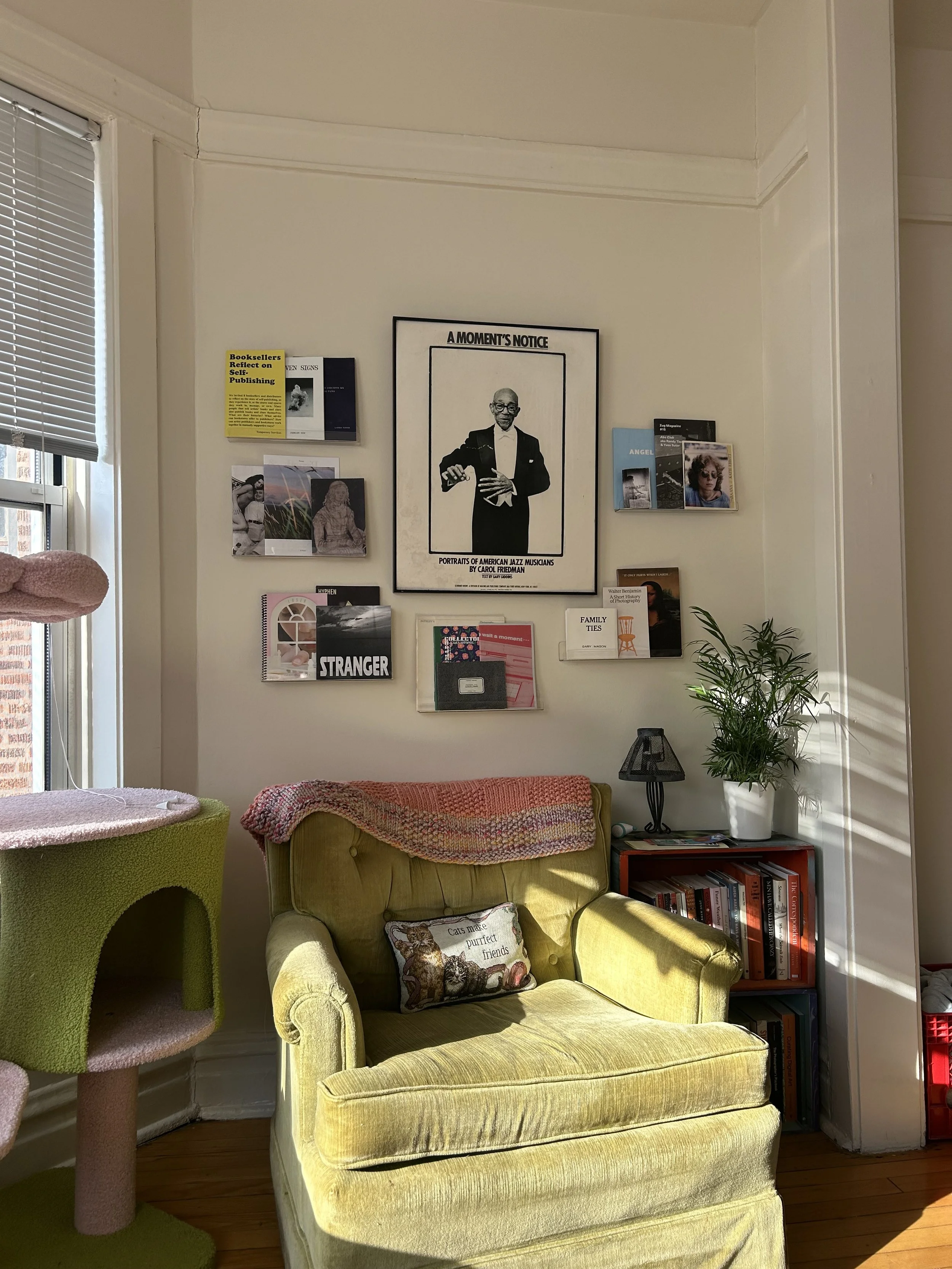
Finally got my zine wall up
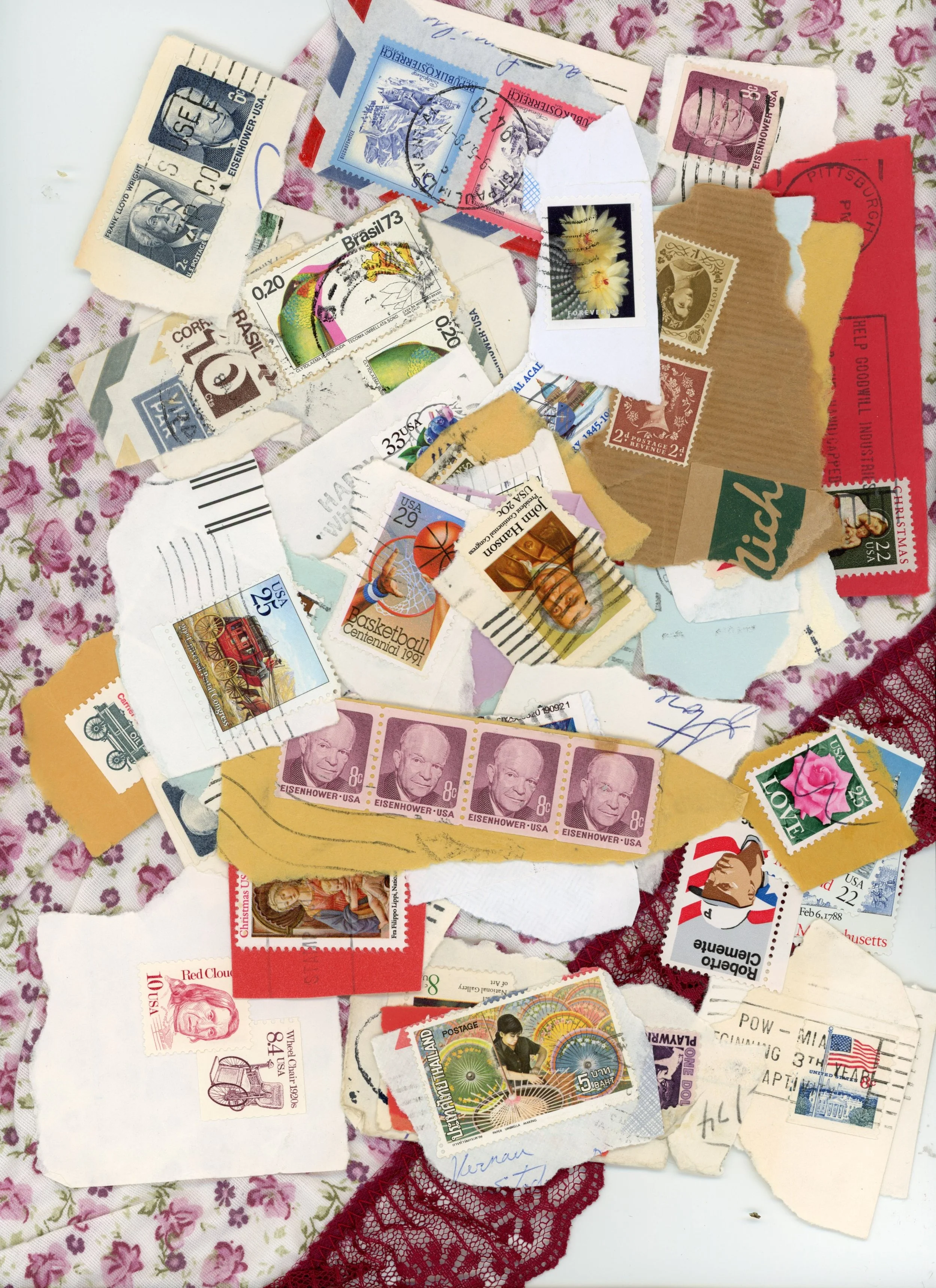
Lots of found material scanning (some under projects)
Ears:
“Condition 11:11”, Defiance, Ohio
“come around”, Lil Peep
“The One You Really Love,” The Magnetic Fields
Hands:
My dying plant’s leaves crumbled in my hands
Touched Lake Michigan
Collecting as Consciousness and Survival: Holding What Has Been
Collecting often naturally begins with the inability to let go. Memories are held tight, stored on phones, pinned on walls, sealed in boxes, sometimes never opened, but never discarded. Moments linger through images that are forever forgotten to be deleted, but instead are preserved. Grief is attempted to be postponed through accumulation, and mourning acts as a form of hoarding. The archive emerges as a psychological mechanism- as a way to endure attachment, loss, and the fear that everything meaningful now will one day cease to exist.
In this sense, the archive functions as a space of consciousness. To collect is to contemplate on time, to return to what has passed. It becomes a ritualistic act, a portal between presence and absence, between memory and imagination. Objects and images are not kept just to document the past, but to hold on to something deeper, to resist disappearance. Through accumulation, we construct systems of endurance, using memory as both a material and a method of survival.
But still, archives operate beyond the emotional realm. They work as a way to shape public truth, identity, and justice, often standing at the center of legal battles, reconciliation processes, and historical reckonings. What is preserved, in turn, becomes what is believed; and what is excluded faces the threat of erasure. Archives possess histories of their own, built through purposeful selection and omission, framing the narratives that will be remembered, and what won’t. Archiving and collecting is an act of devotion and defense, an intimate practice with profound cultural consequences, shaping time, memory, the struggle over truth, survival, and collective meaning.
March 6, 2026
Eyes:
“A Short History of Photography”, Walter Benjamin
The Novelist, Jordan Castro
Ears:
“David”, Lorde
“Citibike”, Blaketheman1000
“Mis”, Alex G <3 <3 <3
Mouth:
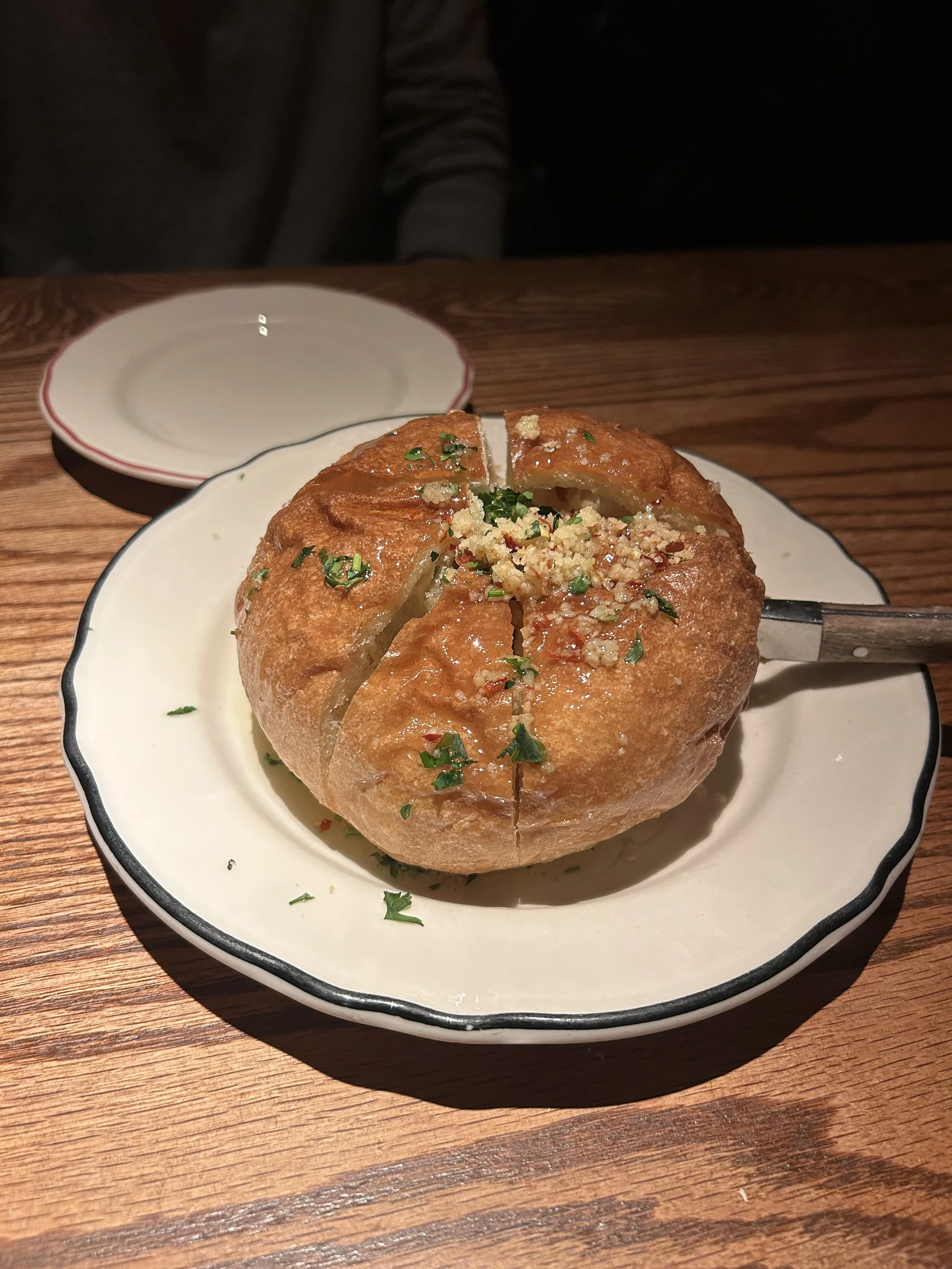
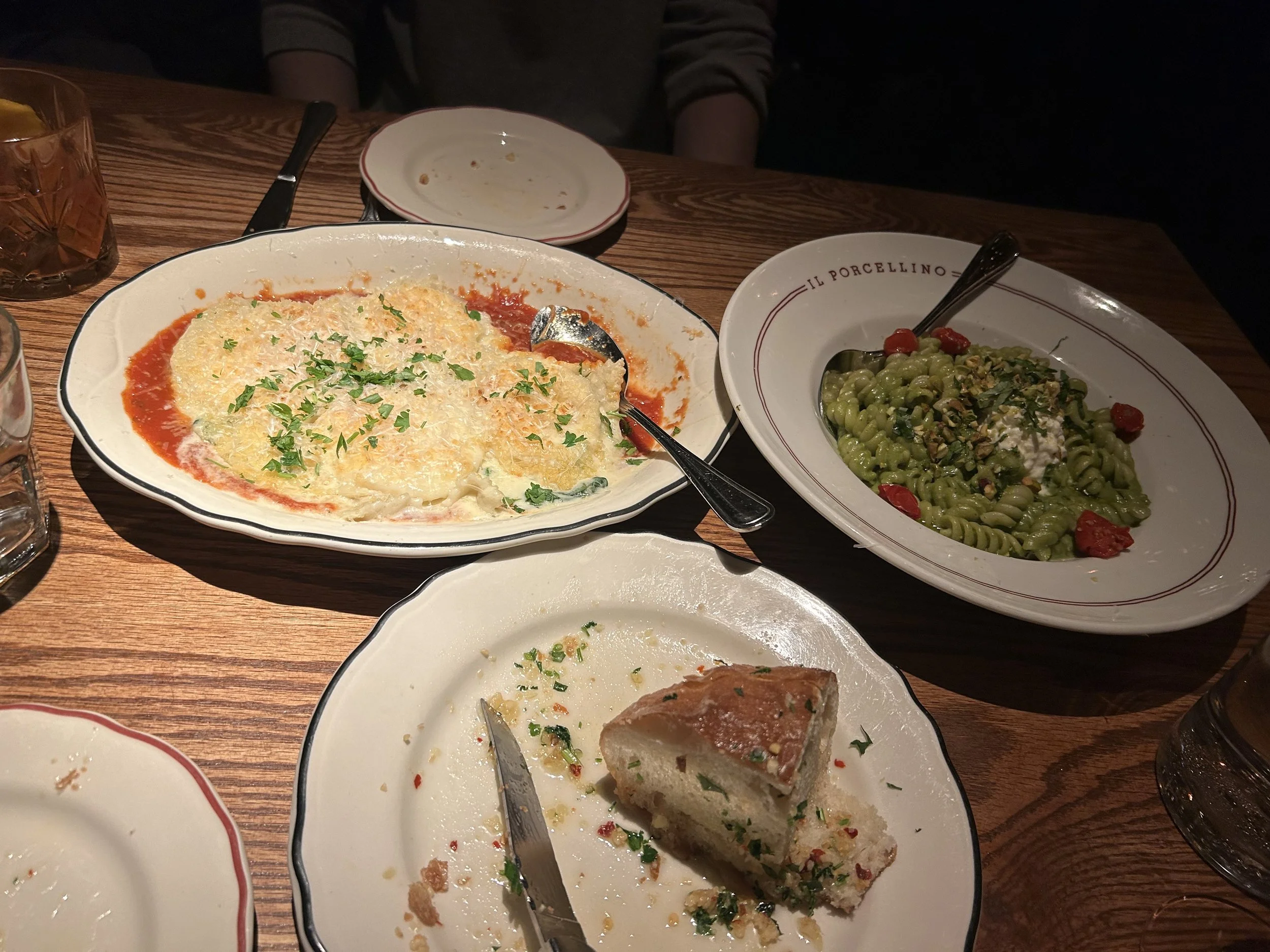
Genuinely one of the best meals I’ve ever had in my entire life at il Porcellino. Speechless. Pictures below. Garlic bread loaf, ravioli al forno, and fusilli pesto genovese
March 2, 2026
Sick day
Mouth:
Granada and lemon refresher from Q’bo Latin Cafe
Sudafed
Zinc tablets
Eyes: (I have also decided to start sharing some really great and interesting quotes that I find influential when I feel like it)
“Blindness and Deafness as Metaphors: An Anthological Essay”, Joseph Grigley
This essay is a collection of quotations from contemporary texts in which the words “blindness” and “deafness” are used as metaphors and arranged into a narrative that functions both as an anthology and a critique. It explores how cultural values are embedded in everyday metaphors, while also examining how this type of language, commonly circulating through publications such as The New York Times, reveals broader attitudes toward disability in Western society and the ease with which these metaphors are used and normalized.
“I think that one of the saddest aspects of our time is the total destruction in people's awareness of all that goes with a conscious sense of the beautiful. Modern mass culture, aimed at the 'consumer', the civilisation of prosthetics, is crippling people's souls, setting up barriers between man and the crucial questions of his existence, his consciousness of himself as a spiritual being. But the artist cannot be deaf to the call of truth; it alone defines his creative will and organizes it, thus enabling him to pass on his faith to others. An artist who has no faith is like a painter who was born blind.” Andrey Turkovsky
“By getting people to accept the nature we find around us - the everyday ant, the familiar butterfly - as the same 'nature' we are told we should protect and revere, we can turn appreciation into action.” Adelle Caracanos, The New York Times
“'Becoming depressed is like going blind, the darkness at first gradual, then encompassing: it is like going deaf, hearing less and less until a terrible silence is all around you.'“ The Noonday Demon: An Atlas of Depression, Andrew Solomon, 2001
“Whites sometimes ask why we continue find it necessary to invoke the past. They do not want to be blamed for the sins of their fathers, and they exhort us to move on. But this is a story that has not ended. Cultural exclusion continues today - and in some ways it is getting worse. Our entire society is paying a price for this cultural blindness.” Peggy Cooper Cafritz
“All of a sudden we may find ourself wondering what it is that links us to a particular set of objects, or an environment, or a project, and, in response, altering the way we used to look at all the others.” Nicolas Bourriaud
“Working Through Objects”, Susan Hiller
Essay on collections and archives, both personal acting and what gives them value, what gives them meaning at all. Argues that objects carry personal and collective memories, acting as tools to process unconscious thoughts and experiences. So, engaging with them by collecting, arranging, and reflecting becomes a way to explore identity, memory, and emotion.
“The only value these things have is that I have assigned some kind of value to them.”
“I am trying to seek immortality and meaning through objects.”
“So by putting the remnants that I collect into these boxes, I'm using the box as a frame to draw attention to something placed within it.”
“Of course I didn’t know what the resonance was. I just knew that I was somehow stuck with these things and I never wanted to throw them out. So, I started to look into what the resonance of each thing might be for me, and then each got its place in a box and eventually I added appropriate contextualizing material, a title, an annotation and date like a real collector would, and that is my collection”
“Survival: Ruminations on Archival Lacunae”, Renee Green
This essay examines the silences in archives, what is missing, overlooked, or excluded, and how these shape our broader understanding of history and culture. She speaks about how archival silences reveal power dynamics and the fragility of memory.
“The compulsive activities demonstrate the lack of definitiveness…. yet allude to the fascinating possibilities for further searching which following these ordering systems can generate.”
Ears:
“Plea from a Cat Named Virtue”, The Weakerthans
“Right Ahead, You Sailor!”, Right Away, Great Captain!
“doing all the things i used to do with people, part 2 (acoustic/ rooftop version)”, teen suicide
“Orange County (feat. Bizarrap, Kara Jackson, and Anoushka Shankar)”, Gorillaz (NEW ALBUM!)
“I Know The End”, Phoebe Bridgers
“Banshee Beat”, Animal Collective
Feb 26, 2026
Eyes:
The Hull House Museum and Archives
The Traitors Season Finale
Summer internship application hell
Doomscrolling Facebook Marketplace
Ears:
Big Cloud, Radiator Hospital
Blue Hair, TV Girl
The Love Club, Lorde
hangar, 8485
God Only Knows, The Langley Schools Music Project
Beginner’s Mind, Bright Eyes
Mouth:
$3 slices and vodka sodas at Big Gay Sal’s Pizza
Cheesy scrambled eggs on sourdough toast with a drizzle of honey!?